Shortcode Cleaner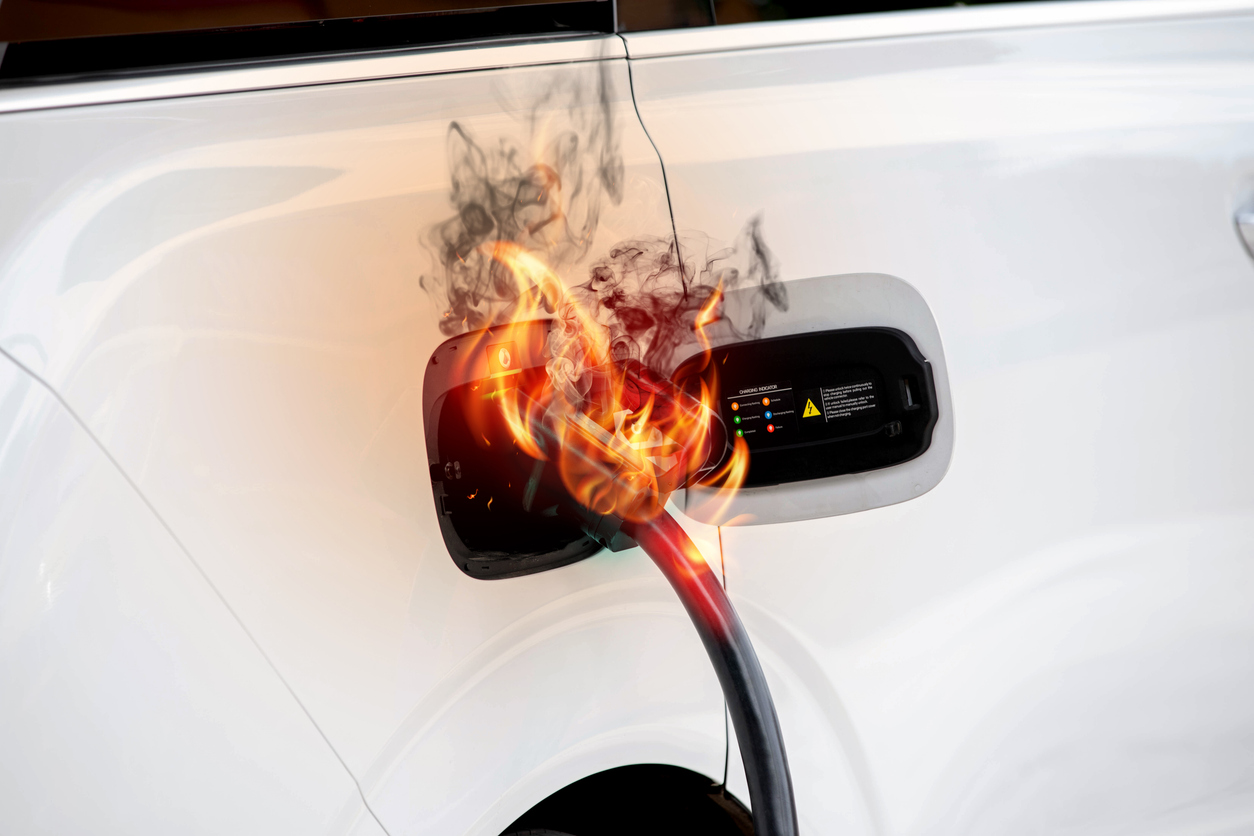
As electric vehicle adoption surges, so do the stakes for insurers. EV related fire claims have become a billion dollar challenge, with battery related litigation now becoming a central focus for automotive legal disputes.
For insurers, an EV fire isn't just a loss, it’s a high-stakes forensic puzzle. When a vehicle ignites while charging, the million-dollar question is: Who is liable? Was it thermal runaway in a defective vehicle battery, or a catastrophic failure in the charging equipment? In the world of subrogation, the answer lies hidden in the charred remains. To find it, investigators must look past the melted metal and reconstruct the digital handshake that occurred before the spark.
The Role of Forensic Engineering
Physical Evidence: The vehicle and charging equipment may sustain extensive thermal damage that obscures evidence related to the fire’s area of origin. Engineers carefully examine the debris for signs of electrical activity, often in the form of arc-induced beading or melting, high resistance connections, or overloaded wiring. Signs of electrical activity, or lack thereof, can help the engineer determine where and how the fire originated.
Checking the Digital Receipts: When an electric vehicle is plugged in, it performs a digital handshake with the charging equipment to check safety conditions and set charging parameters. Throughout the charging session, the systems continue to monitor key operating conditions. Engineers may review data logs from both the vehicle and charger to determine whether either system detected abnormal conditions, and if protective actions were initiated.
In these investigations, engineers commonly look for:
Aftermarket Adapters: Uncertified, counterfeit, or unknown-source adapters that may not have been designed or tested to safely carry the expected electrical load.
Improper Charger Installation: Charger installations that may have overloaded the electrical service or failed to comply with applicable electrical codes.
Mitigating the Risk: A Guide for EV Owners
While forensic engineering can help determine the cause of an incident, incident prevention is the ultimate goal. Electric vehicle owners can significantly reduce the risk of an integrated failure by following these protocols:
Stick to Certified EV Charging Equipment: Only use EV charging equipment, connectors, and adapters that are listed or certified by a recognized testing laboratory such as UL or ETL. Avoid uncertified, counterfeit, or unknown-source adapters commonly found on secondary marketplaces, as they may not meet established electrical safety standards.
Professional Installation: Ensure that a licensed electrician performs an appropriate load calculation for the home’s electrical service and installs the charging equipment in accordance with applicable electrical codes.
Inspect the Port: Periodically check the vehicle’s charging port and the EVSE connector for signs of melting, discoloration, deformation, or a burnt smell, as these signs may indicate high-resistance heating or electrical arcing.
Firmware Updates: Always install vehicle software updates promptly, as they can include critical safety patches for the Battery Management System.
Conclusion
In the battle of EV vs. EVSE, there is rarely a simple answer. The integration of high voltage hardware and complex software means that fires are rarely isolated events. For the insurance industry, success lies in the details of the forensic angle, bridging the gap between melted copper and digital data to find the truth behind the spark.