Shortcode Cleaner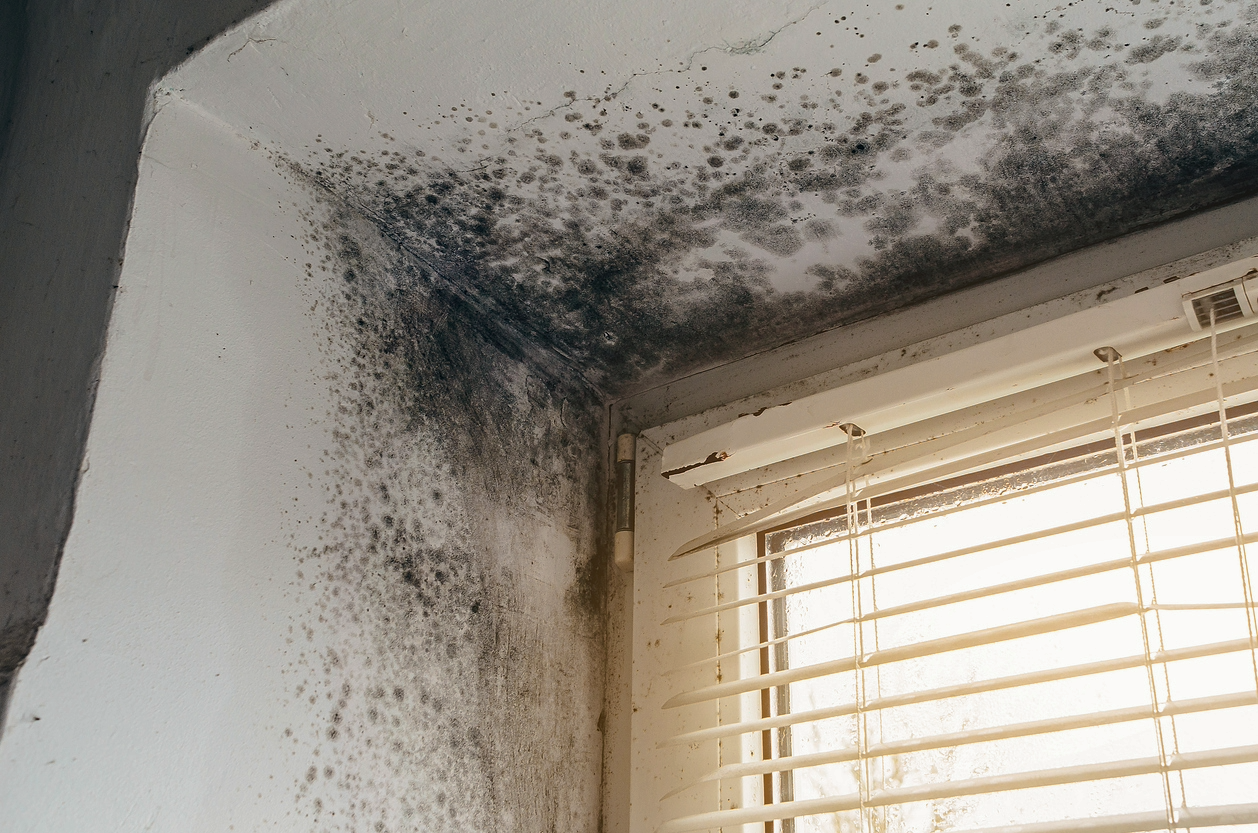
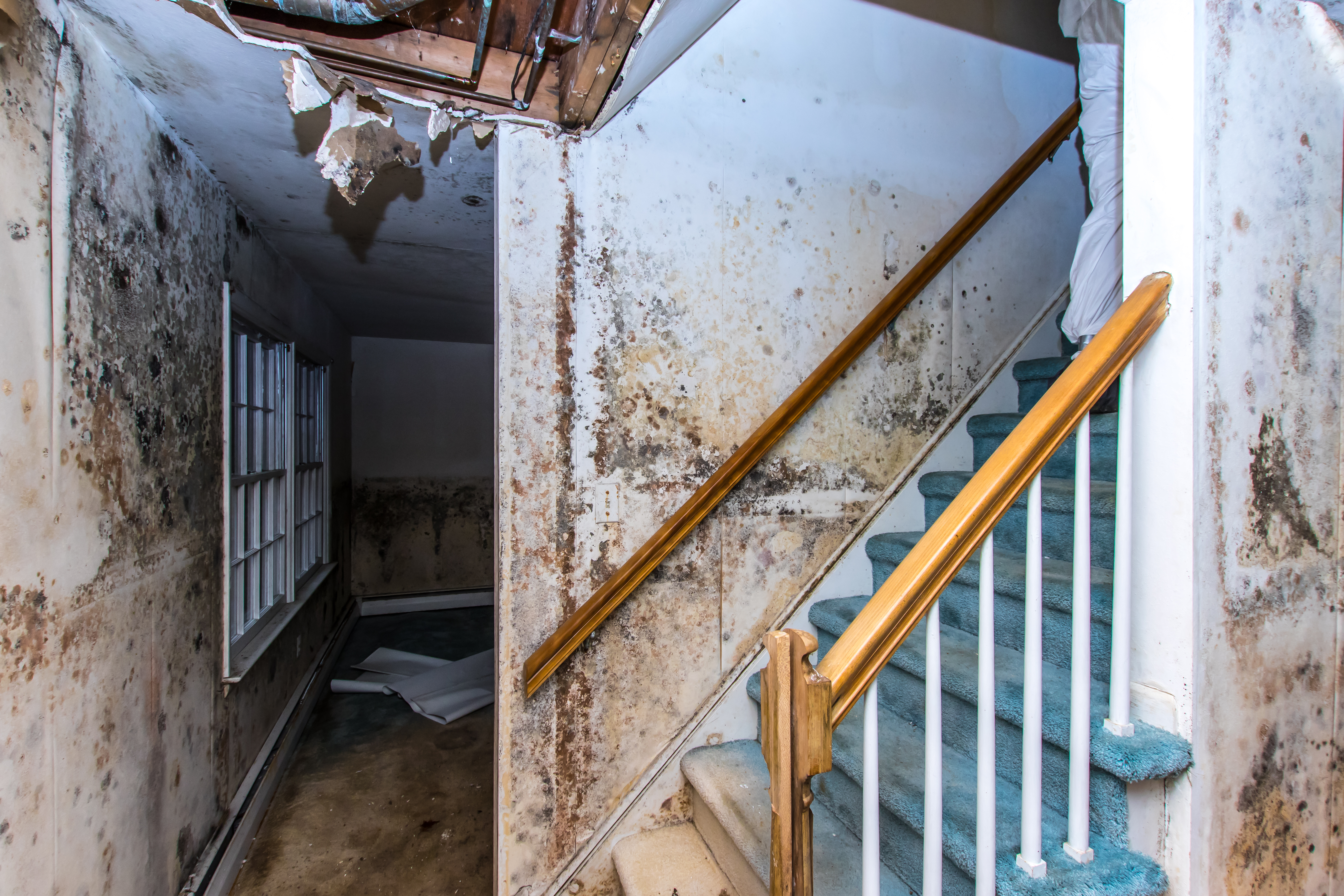
A claim begins with a phone call about a patch of mold, but it ends in a courtroom over a six-figure structural failure. For claims adjusters and litigators, the difference between a simple maintenance issue and a catastrophic construction defect lies behind the drywall. When the building envelope fails, it doesn't just let in water, it invites a slow-motion destruction of the asset. Identifying the smoking gun, whether it is a missing kick out flashing or water backup and ingress due to wall flashing defects and clogged weep holes, is the pivot point upon which liability rests.
The Anatomy of an Envelope Failure
The building envelope is a complex assembly designed to manage three primary elements, liquid water, water vapor, and air. When roofing, siding, or window systems fail, they can create a breach. The primary driver of damage is often the 10/90 rule. This means 90% of all moisture intrusion problems occur within 1% of the total building exterior surface area. These breaches typically involve complex transitions where different materials meet. Once water penetrates the sheathing’s vapor barrier, it becomes trapped within wall cavities and can soak into many building materials. Modern homes are built to be airtight for energy efficiency, which unfortunately means they have limited drying potential. Trapped moisture behind vapor barriers and sheathing, and dry wall, wood and insulation further within creates an ideal environment for microbial growth. Over time, the moisture content of the wood exceeds 20%, triggering the biological process of wood-decay fungi, leading to structural rot that frequently remains invisible until the drywall is removed.
Common Points of Failure
Roof to Wall Transitions: The absence or poor installation of kick out flashing is a common defect. Without it, roof runoff is channeled directly behind the siding at the wall intersection, bypassing the weather-resistive barrier.
Window and Door Flashing: Windows are among the most vulnerable areas of the building envelope. Failure to properly lap the flashing tape, using a shingle-fashion method where upper layers overlap lower ones, creates a path for water to travel directly into the rough opening.
Siding and Sealant Degradation: While siding is the first line of defense, it is rarely waterproof. Flashing and weep drainage systems must also play their roles to keep wall systems dry behind vapor barriers and sheathing. Inappropriate reliance on caulking and other temporary fixes rather than mechanical flashing leads to failure as sealants shrink and crack under UV exposure. In addition, inappropriate caulking applications can prevent wall systems from working properly.
The Role of Forensic Engineering
In litigation and complex claims, forensic engineering provides the scientific clarity needed to determine causation. An expert doesn't just look at the mold; they work backward through the path of travel. Using non-destructive tools like infrared thermography and moisture meters, or destructive testing such as targeted wall surgery, forensic engineers can pinpoint exactly where the envelope was breached. This analysis is vital for adjusters to distinguish between sudden and accidental water discharge and long-term seepage, which may be excluded under many policies. For lawyers, the forensic report serves as the evidentiary foundation for subrogation or defense, proving whether the damage stemmed from a design flaw, a manufacturer's defect, or poor workmanship by a subcontractor.