Shortcode Cleaner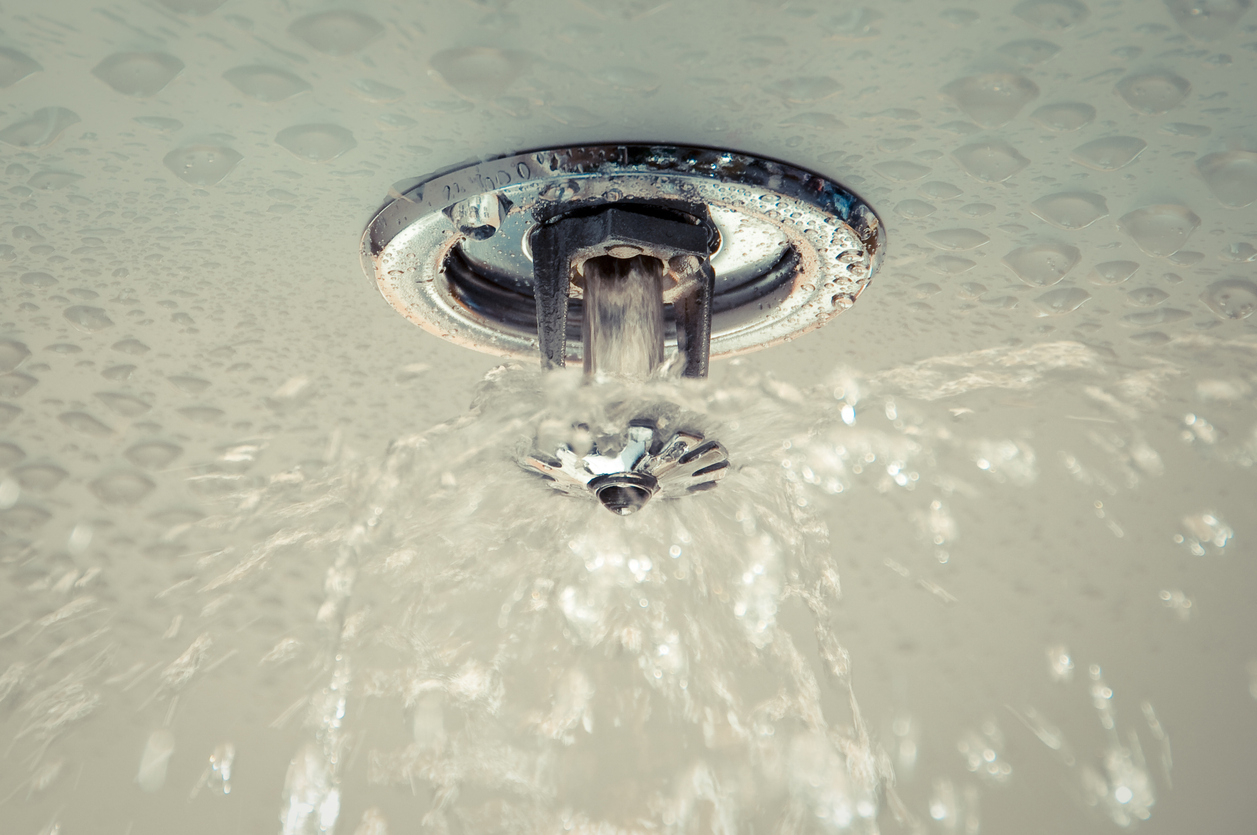
A Friday night fire breaks out in a newly constructed logistics center. The automatic sprinkler system triggers immediately, exactly as designed. Yet, a few days later, the insurer is facing a multi-million subrogation nightmare. The fire didn’t destroy the facility, the water did. Or worse, a sudden cold snap splits a dry pipeline over a corporate server room, destroying millions in infrastructure without a single puff of smoke. For claims adjusters, subrogation lawyers, and risk managers, a failed or malfunctioning sprinkler system represents a high-stakes puzzle where thousands of gallons of water wash away the physical evidence, and the line between an installer’s error and an engineer’s design defect is incredibly thin.
Three Common Reasons Sprinkler Systems Fail
To untangle liability, investigators generally look at three frequent failure points. The goal is to separate poor maintenance from a fundamental error made during the building's design phase.
The Wrong System for the Job: A sprinkler system designed to protect a standard office building cannot handle a warehouse filled with highly flammable goods like plastics or electronics. If a building's layout or purpose changes, then the hazard classification needs to be re-visited and the original sprinkler system design may have to be revised. Otherwise the fire suppression could be catastrophically overwhelmed during a fire.
Trapped Water and Frozen Pipes: Dry sprinkler systems are used in unheated areas like parking garages and attics to prevent freezing. However, if the distribution piping isn't slopped correctly during installation, water from regular trip testing that fails to drain gets trapped in the lines. When a freeze event hits, the water freezes and expands, splits the metal or plastic pipe, and when the ice thaws, water floods the building.
Chemical and Material Mistakes: Plastic sprinkler pipes are popular, but they can be compromised by exposure to incompatible construction materials like certain caulks, sealants, or pipe oils. If a designer specifies the wrong materials, or an installer uses incompatible chemicals, the pipes can suddenly fail under normal system pressure.
How Forensic Engineering Finds the Truth
When an entire facility is waterlogged, pinpointing the root cause is nearly impossible without scientific proof. This is where forensic engineering steps in to protect your claim.
Forensic engineers act as technical detectives by:
Auditing the Blueprints: Reviewing the original building designs and water supply records to see if the system was fundamentally flawed from day one.
Lab Testing the Pieces: Using advanced laboratory microscopes to examine fractured pipes. This testing can definitively prove whether a pipe burst because of a freeze, a manufacturing defect, or chemical cracking.
Apportioning Blame: Evaluating claims to distinguish standard wear and tear from design defects. This enables legal teams to objectively assess whether liability claims regarding design errors, manufacturing defects, or faulty workmanship are justified.
Turning Chaos into Certainty
Bringing in a forensic engineering team immediately after a failure cuts through the chaos of property damage. Forensic analysis translates ruined property and complex failures into clear, verifiable technical facts, giving legal teams and claims professionals the objective evidence needed to accurately assess liability and determine the true root cause, regardless of where the evidence points.