Shortcode Cleaner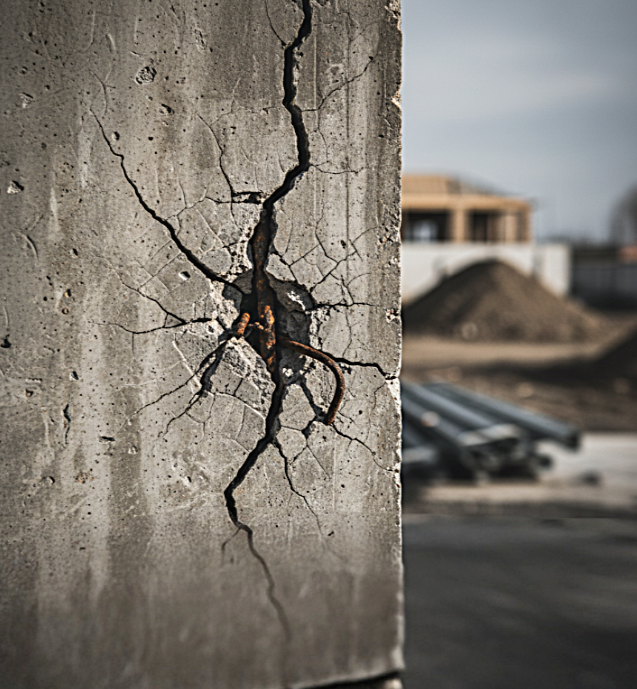
Construction projects, from towering skyscrapers to residential homes are complex. Despite rigorous planning and skilled execution, defects can and do arise. These imperfections can range from minor cosmetic issues to critical structural failures which can often lead to financial burdens, safety hazards and protracted legal disputes. This is where the specialized field of forensic engineering becomes indispensable, meticulously investigating the “what, why, and how” of construction defects.
The Unseen Flaws: Common Construction Defects
Construction defects are broadly categorized into design deficiencies, material failures, and workmanship errors. Often, a combination of these factors contributes to a defect.
Foundation Failures:
The bedrock of any structure, foundations are prone to issues if not properly designed or constructed.
Settlement: Uneven or excessive settling of a foundation can lead to cracks in walls, misaligned doors and windows, and even structural instability. This is frequently attributed to inadequate soil compaction, improper footing design, or changes in soil moisture content.
Heaving: Conversely, expansive soils can absorb water and swell, pushing the foundation upwards. This phenomenon is particularly prevalent in regions with clay-rich soil and can cause significant damage.
Building Envelope Defects:
The building envelope, encompassing the roof, walls, windows, and doors, is the first line of defense against the elements. Failures here often result in costly water intrusions.
Water Intrusion: Leaky roofs, improperly sealed windows, and defective flashing can allow water to penetrate the building, leading to mold growth, degradation of building materials, and damage to interior finishes.
Thermal Bridging: Gaps in insulation or the use of materials with poor thermal performance can create “thermal bridges,” allowing heat to escape or enter, compromising energy efficiency and creating condensation problems.
Structural Failures:
These are arguably the most critical and dangerous defects, threatening the integrity and safety of the entire structure.
Design Deficiencies: Errors in load calculations, improper material selection, or overlooked environmental factors during the design phase can weaken a structure.
Material Defects: The use of substandard materials, such as concrete with an incorrect mix ratio, steel with compromised strength, or lumber with hidden rot, can lead to premature failure.
Workmanship Errors: Poor execution during construction, such as improper rebar placement, inadequate welding, or insufficient curing of concrete, can severely compromise structural elements.
The Detective Work: The Role of Forensic Engineering
When construction defects emerge, forensic engineers such as those at CED Technologies step in as expert detectives. Their mission is to meticulously investigate the failure, determine its root cause, and provide unbiased, scientifically sound conclusions. This is a complex process that demands a deep understanding of engineering principles, building codes, material science, and construction practices.
Forensic investigation typically involves:
Site Inspection and Documentation: The engineer conducts thorough on-site inspections, carefully documenting all observable defects through photographs, measurements, and sketches. This crucial step also involves reviewing relevant documents such as architectural drawings, specifications, project schedules, and material receipts.
Evidence Collection and Testing: Samples of affected materials (e.g., concrete, steel, wood, waterproofing membranes) may be collected for laboratory analysis. These tests can reveal material properties, composition, and whether they meet specified standards. Non-destructive testing methods, such as infrared thermography for water leaks or ground-penetrating radar for subsurface anomalies, are also frequently employed.
Data Analysis and Root Cause Determination: Through careful analysis of all collected data, the forensic engineer synthesizes findings to identify the primary cause of the defect. This often involves detailed calculations, simulations, and comparisons against applicable building codes and industry standards. It's not uncommon for multiple contributing factors to be identified, requiring a nuanced understanding of their interplay.
Expert Reporting and Testimony: The culmination of the investigation is a comprehensive report detailing the findings, the methodology used, the identified root causes, and recommendations for remediation. In many cases, forensic engineers serve as expert witnesses in litigation, providing clear, concise, and defensible testimony to judges, juries, and arbitrators.
Companies like CED Technologies play a vital role in this specialized field. With decades of experience, CED Technologies offers comprehensive forensic engineering services to clients across various sectors. Construction defects are an unavoidable reality in the building industry, but their impact can be mitigated through thorough investigations and remediation. Forensic engineering provides the critical expertise needed to unravel the complexities of these failures, pinpointing their origins and guiding the path toward resolution. By understanding the common defects and appreciating the meticulous work of forensic engineers, we can build a safer, more reliant and more accountable construction environment for the future.