Shortcode Cleaner
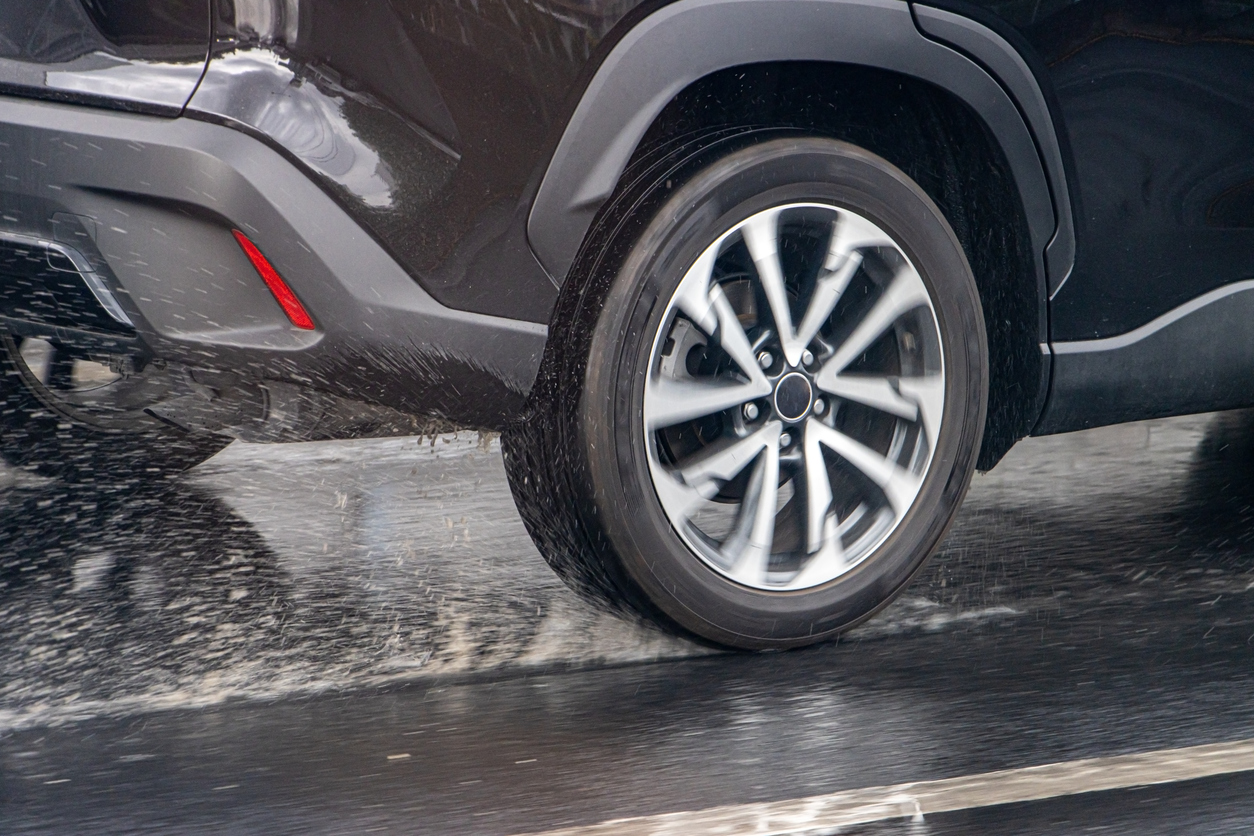
When a car loses control on a wet highway, the immediate reaction is almost always to blame the driver. It's easy to assume someone was simply speeding or distracted in the rain—but weather is rarely the whole story. Was it actually driver error, or did a hidden combination of worn tire tread, standing water, and poor road drainage build up an unavoidable water wedge under the tires? In high-stakes accident investigations, jumping to conclusions means missing the real cause. Getting to the truth requires looking beyond the storm and examining the exact engineering forces at play.
Understanding Hydroplaning: The Mechanics Behind the Slide
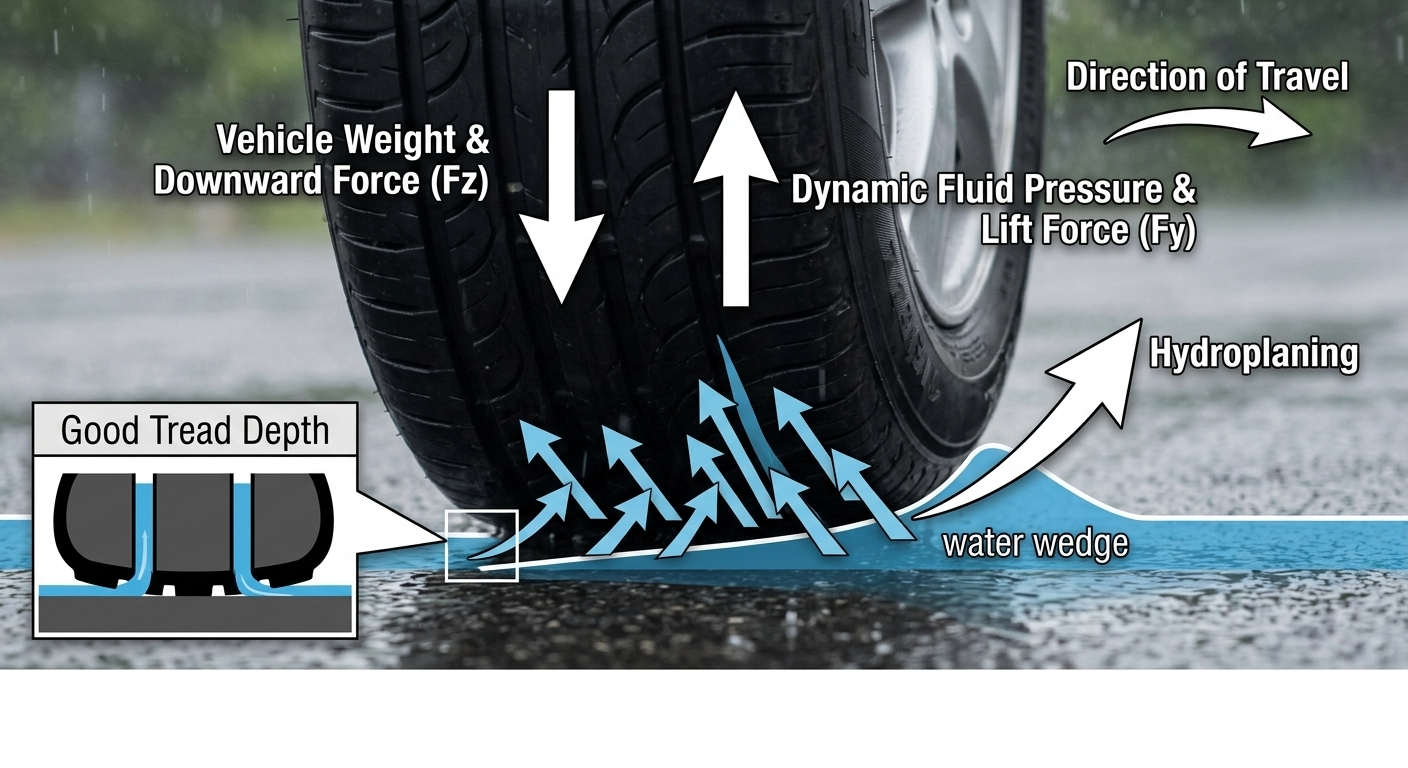
Hydroplaning occurs when a layer (wedge) of water builds up between a vehicle’s tire tread and the road surface, generating hydrodynamic fluid pressure. When this hydrodynamic water pressure exceeds the weight of the vehicle pressing down through the tire, the tires are lifted completely off the pavement. Deprived of frictional contact, the vehicle loses traction entirely, rendering steering and braking almost ineffective.
Hydroplaning behavior is governed by three primary factors:
- Tire Tread Wear & Pressure: Tread grooves act as evacuation channels to flush standing water away from the contact patch. As tread depth degrades below critical thresholds (or if tire pressure is underinflated), the tire’s capacity to shed water drops exponentially, significantly lowering the speed threshold at which hydroplaning can begin.
- Water Depth & Accumulation: Even a fraction of an inch of standing water can initiate hydroplaning at highway speeds. Water depth is heavily influenced by rainfall intensity, surface macrotexture, and local drainage conditions.
- Roadway Geometry & Drainage: Cross-slope transitions (bottom of a hill) superelevation (banking), rutting from heavy truck traffic, and clogged storm drains create localized areas where water accumulates during a rain event, creating hazardous “water traps” for unsuspecting drivers.
The Role of Forensic Engineering:
Reconstructing a hydroplaning crash requires far more than reviewing police reports and weather logs. Forensic engineers apply rigorous physical principles, to determine the exact speeds, water depths, and tire conditions present during the collision.
Through detailed site inspections, our CED engineers evaluate roadway geometry, cross-slopes, and drainage efficiency. By combining scene laser scanning, photogrammetry, vehicle Event Data Recorder (EDR) telemetry, and tread depth analysis, a forensic investigation establishes whether a crash was caused by driver negligence or an unsafe condition on the road.
Why Choose CED Technologies?
When investigating complex automotive collisions, having the right technical expertise on your side makes all the difference. CED Technologies brings decades of experience in vehicle crash reconstruction, biomechanics, and forensic engineering. Our multidisciplinary team of licensed professional engineers utilizes advanced modeling tools, physical testing, and scientific methodology to deliver clear, accurate, and defensible findings. Whether evaluating product liability, roadway maintenance, or accident causation, CED provides the objective evidence and expert testimony needed to resolve claims with confidence.