Shortcode Cleaner
You’re cruising down the interstate on a sweltering summer afternoon, the shimmering asphalt blurring into a heat mirage. The air conditioning is blasting, but beneath you, a silent, unseen drama is unfolding. With every mile, the scorching road wages a battle against one of the very things that keep you safe: your tires. While we all know that underinflated tires or excessive wear can be dangerous, it's the invisible enemy—the heat radiating from the road that adds a critical layer of complexity to tire safety. As your tires roll, friction and the normal deflection of the tire generate heat internally, but on a hot day, the road surface acts like an oven, transferring even more heat into the tire. This elevated temperature can weaken the critical bonds between the tread and underlying plies, pushing them to their breaking point and significantly increasing the risk of a catastrophic separation.
The Science of Tire Separation and Road Temperature:
A tire isn't a simple circle of rubber; it's a marvel of engineering, with a complex composition of various rubber compounds, reinforced with steel and fabric belt plies. These layers are meticulously bonded together during manufacturing. But there's a vulnerability: excessive heat can accelerate the degradation of these critical bonds.
When a tire rolls on a hot road, the internal temperature soars. This rise in heat does two things: it increases the internal air pressure and, more critically, it begins to dissolve the bonds holding the tire's layers together. The constant flexing of the tire, combined with high temperatures, creates a relentless assault on these bonds, leading to a gradual weakening and possible catastrophic failure, known as tread separation.
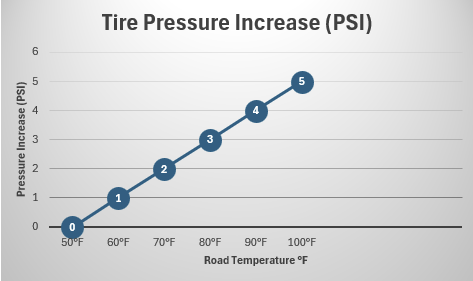
Forensic analysis has shown that these bond failures become increasingly likely at internal tire temperatures over 350-400°F (177-204°C). While a hot road isn't typically the sole cause of tire failure—as evidenced by commercial vehicles that drive all day in the summer heat—it is a significant contributing factor. A hot pavement can add 1-2 PSI for every 10°F increase in temperature, pushing an already stressed tire closer to its breaking point. Higher tire pressure increases a tire's load capacity and reduces internal heat buildup by decreasing deflection. While this is good for normal driving, overinflating a tire makes it more vulnerable to damage from road hazards like potholes. Always use the vehicle manufacturer's recommended pressure, not the maximum rating on the tire, to ensure safety.
So, how do we know this science holds true in the real world? The answer lies with forensic engineering experts who specialize in investigating vehicular accidents and tire failures. A firm like CED Technologies, Inc. employs these experienced professionals to bring scientific rigor to the scene of a crash.
Their meticulous process allows them to:
- Analyze the Tire Remains: By carefully inspecting the separated components, engineers look for evidence of manufacturing defects, previous damage, and—most importantly—the telltale signs of heat-induced degradation. They can often determine if the separation began with a pre-existing condition that was exacerbated by road temperature.
- Assess Environmental Conditions: Forensic investigations often include gathering data on the environmental conditions at the time of the incident, including ambient temperature and estimated road surface temperature. This information helps to contextualize the tire's operating.
- Utilize Advanced Tools: With tools like microscopic analysis and material testing, these experts can investigate the tire's composition to identify any anomalies or weaknesses that were amplified by heat.
- Reconstruct the Failure: By combining the physical evidence with their understanding of tire mechanics and material properties, forensic engineers can reconstruct the likely sequence of events that led to the tire separation. This understanding is crucial for identifying contributing factors and potentially preventing future.
CED Technologies: Bringing Scientific Rigor to Tire Failure Analysis
The involvement of a firm like CED Technologies in tire failure investigations ensures a thorough and objective analysis. Their forensic engineering expertise provides valuable insights into legal cases, insurance claims, and even for manufacturers looking to improve tire design and safety recommendations. By meticulously examining the evidence and considering all contributing factors, including road surface temperature, they help to uncover the truth behind tire failures.
Protecting Yourself from Heat-Related Tire Issues
While road surface temperature is an external factor, drivers can take several precautions to minimize the risk of heat-related tire problems:
- Maintain Proper Tire Pressure: Ensure your tires are inflated to the manufacturer's recommended pressure, especially before long drives or during hot Underinflation increases tire deflection and heat buildup.
- Avoid Overloading Your Vehicle: Overloading puts additional stress on tires, increasing their operating temperature.
- Inspect Your Tires Regularly: Check your tires for signs of wear, damage (cuts, bulges), and uneven tread wear. Replace worn tires promptly.
- Consider Tire Age: Tires degrade over time, even if they haven't reached their tread wear limit. Check the DOT code on your tires to determine their age, and consider replacement after six to ten years, regardless of tread depth.
- Be Mindful of Long, High-Speed Driving on Hot Days: Extended periods of high-speed driving on hot asphalt can generate significant heat in tires. Take breaks to allow tires to cool down.
Conclusion:
The silent threat on a hot road is real, but it's not invincible. By taking a few minutes to check your tire pressure and visually inspect your tires, you're not just performing routine maintenance, you’re an active participant in your own safety. Science is clear, and the insights from forensic experts are a stark reminder: a little vigilance can be the difference between a smooth journey and a roadside tragedy.