Shortcode Cleaner
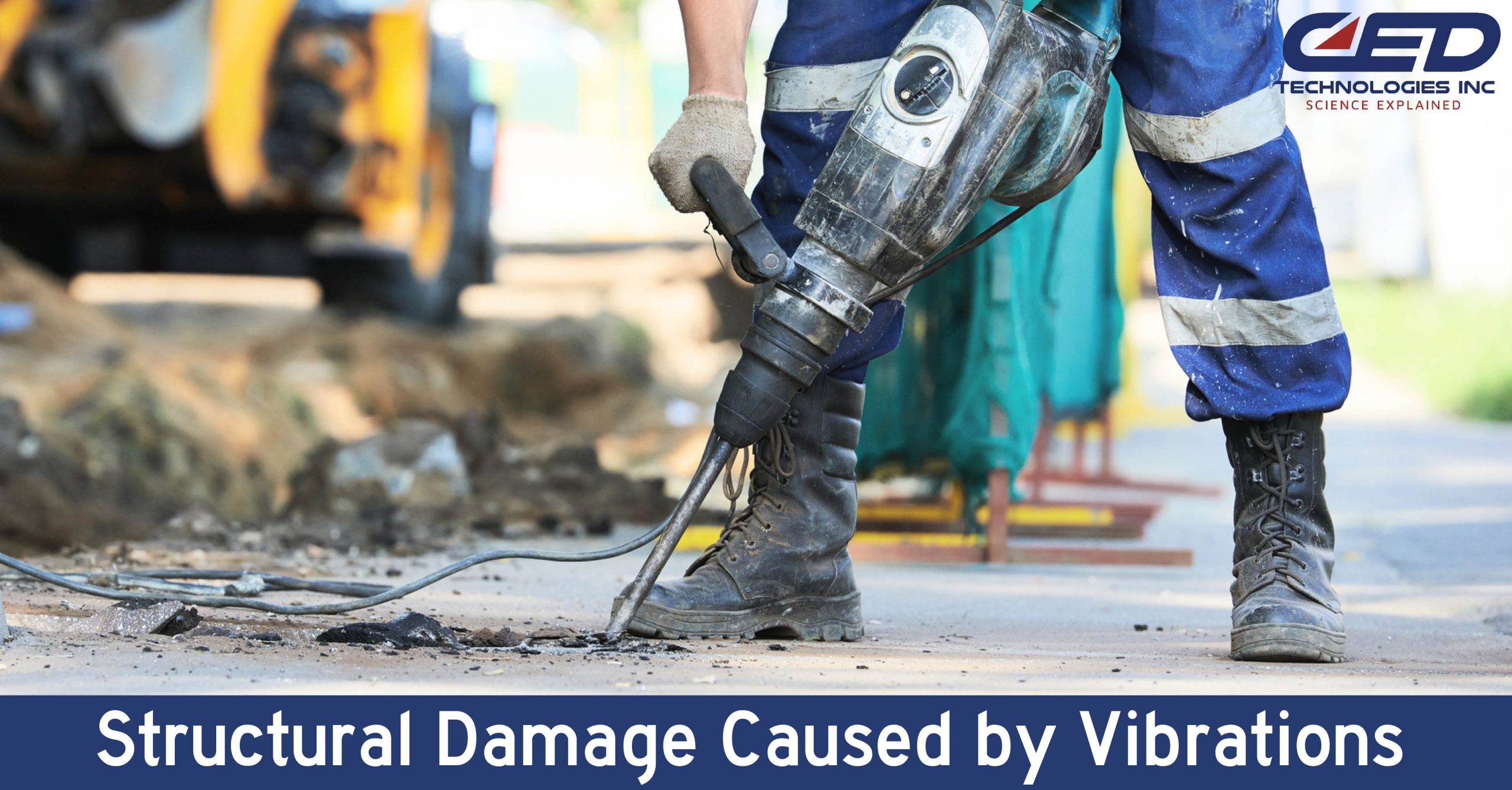
When heavy construction, pile driving, dynamic compaction, or deep excavation occurs adjacent to existing structures, neighboring property owners are quick to connect new or newly noticed wall cracks, sticking doors, and basement leaks to nearby site activities. Ground vibrations and soil settlement caused by heavy equipment can certainly stress adjacent buildings. However, for claims adjusters, risk managers, contractors, and legal counsel, determining actual causality requires looking far beyond mere timing.
Distinguishing between long-term environmental deterioration and recent construction-induced movement is a critical technical challenge. Forensic engineers rely on standardized physical indicators, structural dynamics, and historical evidence to isolate the true root cause of property damage.
Common Damages Attributed to Nearby Construction
Adjacent construction activities introduce two primary mechanisms that affect surrounding structures: ground-borne vibrations and ground movement/settlement. Depending on the foundation type and building materials, neighbor claims typically involve:
- Cosmetic Surface Cracking: Fine hairline cracks in interior drywall, plaster finishes, or external stucco overlays.
- Masonry & Concrete Distress: Separation along mortar joints (stair-step cracking), vertical fractures through foundation walls, or cracking across poured concrete.
- Operational & Framing Misalignment: Doors or windows that suddenly stick, bind, or refuse to latch due to subtle rack/distortion of framing members.
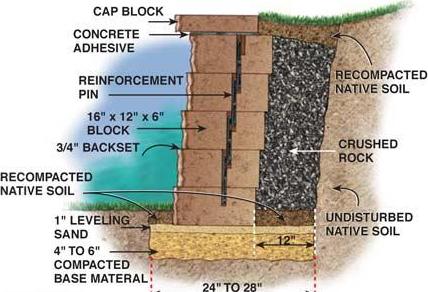
- Exterior & Foundation Displacements: Cracking in brick veneer, displacement of retaining walls, or differential settlement leading to floor slopes.
- Water Intrusion: Ruptures in exterior waterproofing membranes or foundation sealants, allowing groundwater ingress following excavation shifts.
While these symptoms often manifest during active construction, many are identical to normal aging processes, making forensic evaluation essential.
The Role of Forensic Engineering:
- Pre-Existing Deterioration: Older cracks typically show accumulated dust, paint within the fissure, rounded or weathered edges, or signs of past patching. Thermal expansion, seasonal humidity changes, foundation settlement and normal occupancy usually produce widespread, uniform, or localized stress cracking over decades.
- Construction-Induced Damage: Freshly formed cracks generally feature sharp, unweathered edges, clean debris inside the crack gap, and no paint bridging.
The Vital Role of Vibration Monitoring
To replace speculation with quantifiable data, continuous vibration monitoring is frequently deployed along construction project boundaries.
- Pre-Construction Surveys: High-resolution photographic and video documentation of adjacent properties before breaking ground creates an undisputed baseline of pre-existing cracks and distress.
- Real-Time Seismographs: Triaxial seismographs measure ground velocity (PPV) and frequencies across active site zones. Immediate alerts trigger if vibration levels approach pre-set threshold limits, shielding both contractors from false claims and property owners from real damage.
Why Choose CED Technologies
CED Technologies delivers comprehensive forensic engineering services designed to bring clarity and objective analysis to property damage, construction defect, and vibration claims. Powered by a multidisciplinary team of licensed Professional Engineers, CED combines deep expertise in soil mechanics and structural behavior with advanced diagnostic tools, including elevation surveys, crack monitoring gauges, and vibration data analysis. Their evidence-based approach yields clear, defensible reports that differentiate genuine construction impact from normal environmental wear or pre-existing conditions. Whether investigating claims for insurance adjusters or providing expert courtroom testimony, CED Technologies offers unbiased, scientifically sound litigation support to help resolve complex liability disputes.