Shortcode Cleaner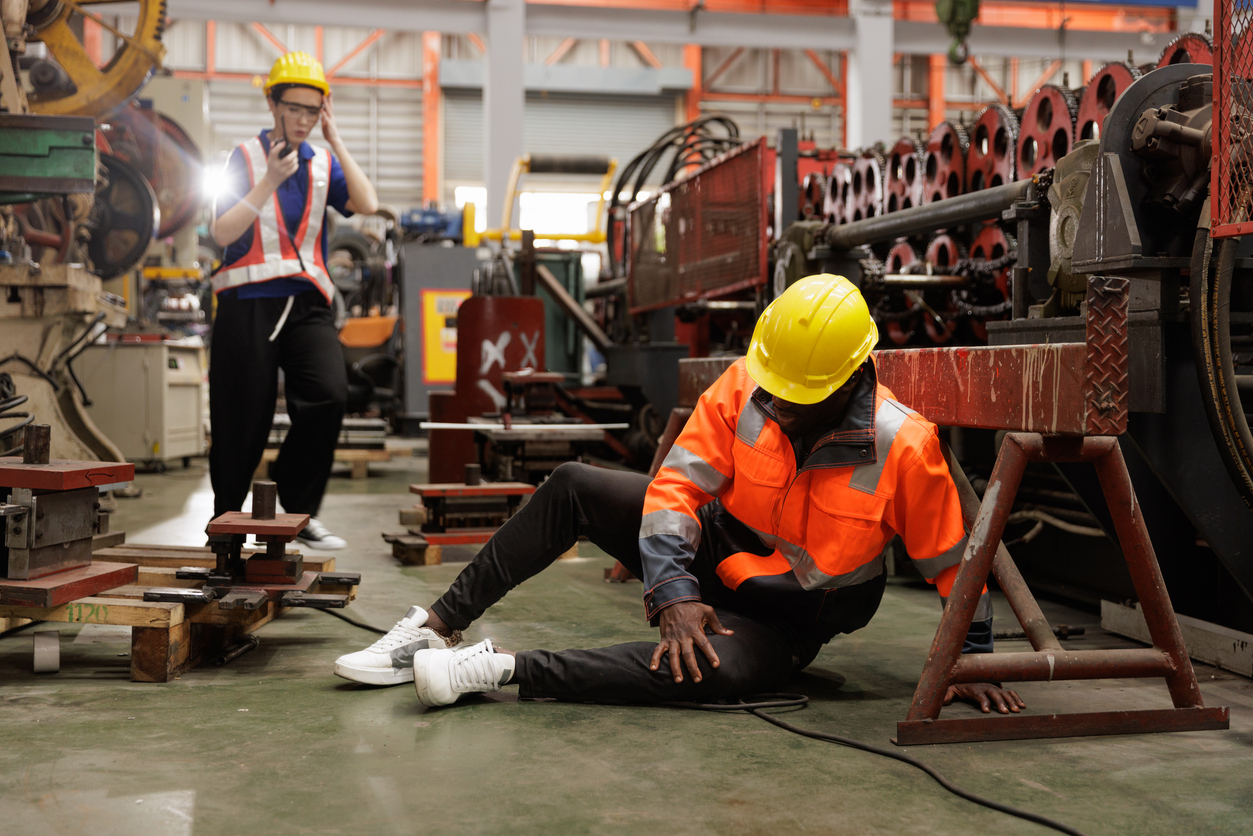
When a catastrophic workplace accident happens, a worker caught in a manufacturing line or a fall from a commercial scaffold, the aftermath can become instant chaos. Everyone is scrambling to figure out what went wrong, insurance files are opened, and the legal finger-pointing begins.
But relying on initial witness reports or standard incident files to build a defense is a massive gamble. In the heat of the moment, important physical evidence gets cleared away, and narratives conflict. To bridge the gap between early guesswork and a bulletproof legal strategy, you need forensic engineering. A forensic engineer doesn't just look at who was standing where; they apply rigorous scientific analysis to reconstruct the failure, isolate the failure mode’s root cause, and untangle the complex web of liability.
The Anatomy of Modern Workplace Failures
While workplace environments have become increasingly sophisticated, the root causes of severe injuries remain anchored to a few stubbornly persistent operational failures. OSHA’s annual top-violation metrics consistently highlight areas where catastrophic structural, mechanical, and system engineering failures occur:
Fall Protection and Structural Scaffolding: Year after year, fall protection remains the most heavily cited standard across all industries. When a fall occurs from an elevated work platform, scaffold, or ladder, the immediate root cause assumption by the general public is frequently human error or poor training. With forensic engineering analysis a more complex picture is often revealed: hidden structural metal fatigue, improper load calculation by a third-party erection crew, or a manufactured component defect in a safety harness tie-off point.
Lockout/Tagout (LOTO) and Machine Guarding: In industrial and manufacturing settings, the failure to control hazardous energy and missing machine guards represent a significant subset of severe amputation and fatality accidents. A forensic engineering analysis can help determine why it was bypassed, evaluating whether poor ergonomic engineering forced the operator to remove the guard to clear frequent jams, or if a programmable logic controller software glitch allowed the machine to cycle unexpectedly.
The Emerging Frontier: Indoor Heat Stress and Ventilation: Workplace safety frameworks are rapidly evolving. OSHA’s aggressive push toward a formalized Heat Injury and Illness Prevention standards target not just outdoor construction, but also indoor environments like unconditioned warehouses, fulfillment centers, and foundries. Determining liability in a heat-induced cardiovascular event or a fall caused by heat-related vertigo requires precise scientific reconstruction of the ambient local environment.
The Role of Forensic Engineering
Forensic engineering is the application of engineering principles to the investigation of failures, injuries, or other disputed claims. In an OSHA-related case, a forensic engineer independently investigates and reconstructs the physical timeline of an accident and determines what caused critical events.
Digital & Physical Reconstruction: Utilizes 3D laser scanning, drone photography, conventional measurement tools, and computer-aided design (CAD) to capture the exact physical dimensions of an accident scene before evidence is altered or cleared.
Biomechanical Analysis: Evaluates the forces between the human body and engineered components and systems that occur during an incident to determine if the physical evidence aligns with witness statements and the claimed mechanics of the injury.
Materials Testing: Conducting metallurgical and structural testing to verify if a mechanical component failed due to an unexpected overload, poor manufacturing, or systemic lack of maintenance by a specific vendor.
Why Choose CED Technologies for Your Next Case?
When a claim or lawsuit involves complex workplace safety dynamics, the engineering firm you choose directly impacts your ability to mitigate risk or secure a favorable verdict. CED Technologies, Inc. is an industry leader in forensic engineering, and we stand ready to support your next case.