Shortcode Cleaner
In the modern automotive landscape, vehicles are no longer purely mechanical machines, they are mobile computers navigating complex physical environments. Advanced Driver Assistance Systems (ADAS), such as Automatic Emergency Braking (AEB), Adaptive Cruise Control (ACC), and Lane Keeping Assist (LKA), were engineered to help lessen human errors.
However, as ADAS adoption scales across commercial fleets and passenger vehicles, it introduces a novel legal challenge: Determining liability when an automated system fails, triggers unexpectedly, or hands control back to an unprepared driver.
When an ADAS-equipped vehicle is involved in a collision, claims adjusters, risk managers, and legal teams face a high-stakes question: Was this an issue of operator error, system failure, or improper maintenance? Answering this requires looking beyond traditional accident reconstruction and turning to specialized forensic engineering.
The Root Causes: Common ADAS Failures
When driver-assist features are involved in a crash, it is rarely due to a complete computer failure. Instead, investigations usually point to four common breakdowns:
Tiny Misalignments- Cameras and radar need precise positioning. If a vehicle gets a new windshield, bumper repair, or wheel alignment without proper recalibration, sensors end up pointing slightly off-target. This can delay automatic braking, often without triggering a dashboard warning light to alert the driver.
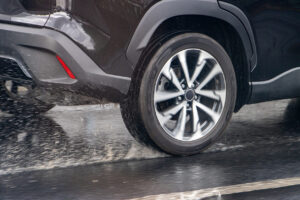
Blocked or Blinded Sensors- Rain, fog, mud, road salt, or bright sun glare can easily block or confuse cameras and radar. When blinded, the system might shut off without warning or mistake harmless shadows for real obstacles.
Phantom Braking- This occurs when the vehicle misinterprets something harmless, like a bridge shadow or overhead sign, as a threat and violently slams on the brakes. On a busy highway, this sudden stopping frequently causes severe rear-end pileups.
Driver Over-Reliance Drivers often get too comfortable, assuming these features make the car fully self-driving. When the system hits its limit and suddenly hands control back, a distracted driver rarely has enough time to react.
Bridging Electronic Data and Legal Strategy
When a crash involves driver-assist technology, a forensic engineer acts like an investigator for the vehicle's technology. Their main job is to figure out whether the crash was caused by driver error, a physical part failure, or a glitch in the car's sensors and computer systems.
They gather evidence by downloading the vehicle’s black box data, inspecting the physical damage, testing sensor alignment, and reconstructing the seconds leading up to the impact. By connecting all these pieces, they provide clear, fact-based answers on what actually happened and whether the car's automated features worked correctly or contributed to the crash.
Turning ADAS Complexity into Clarity with CED Technologies
As safety features become increasingly automated, vehicle accident litigation is shifting away from simple “who hit whom” disputes toward complex, technology-driven inquiries. A single degree of sensor misalignment, an unperformed shop recalibration, or a split-second software misinterpretation can mean the difference between a routine claim and a multi-million-dollar suit.
Partnering with the CED Technologies team early in the claims process ensures that critical telematics are preserved before they are overwritten. By translating complex sensor data, electronic logs, and mechanical evidence into clear, objective facts, our forensic engineers give adjusters and legal teams the leverage needed to settle claims fairly, pursue subrogation successfully, and defend against unwarranted liability.