Shortcode Cleaner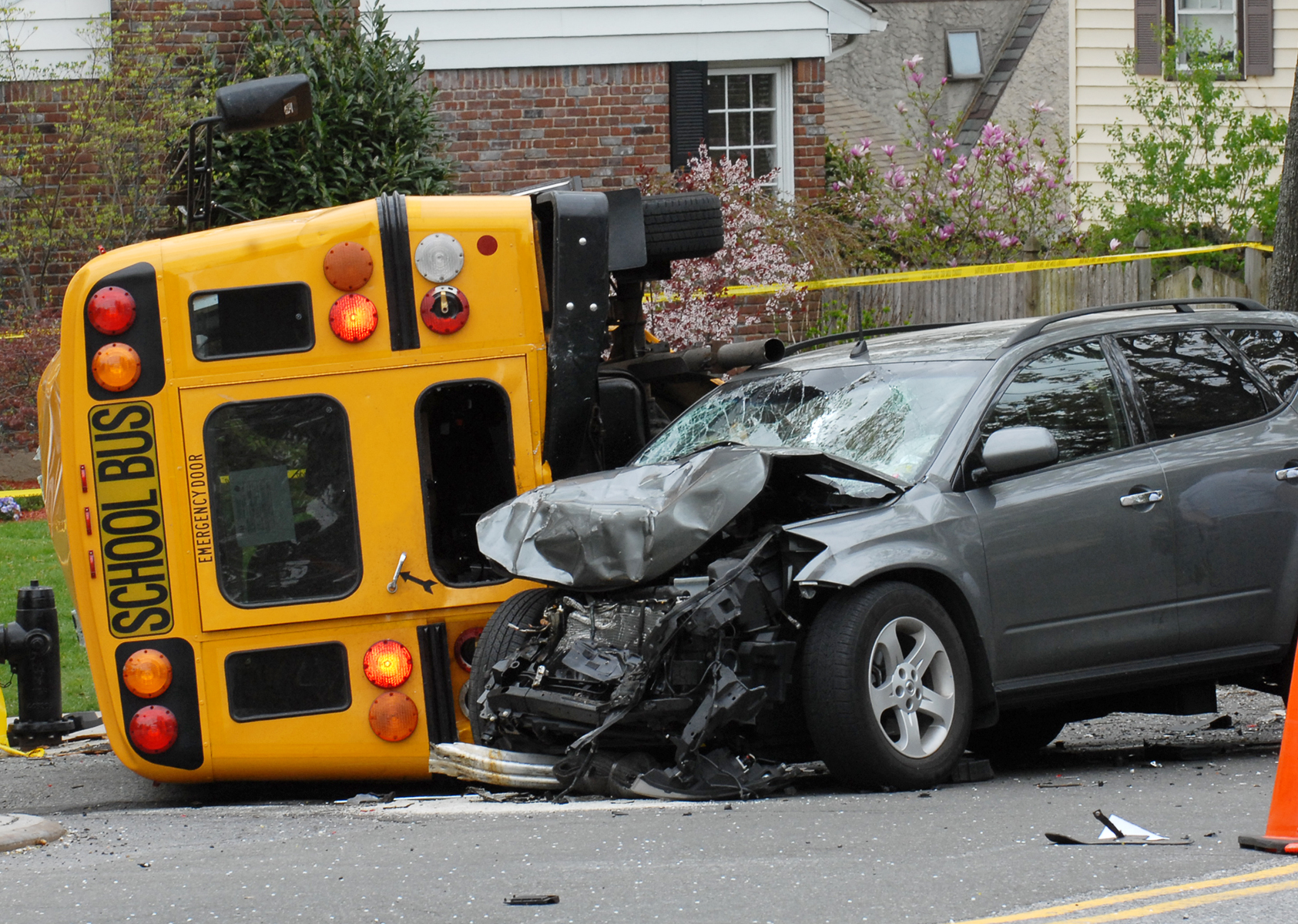
Police reports give the initial grade, but black boxes and sightline physics provide the final answer in school zone collisions.
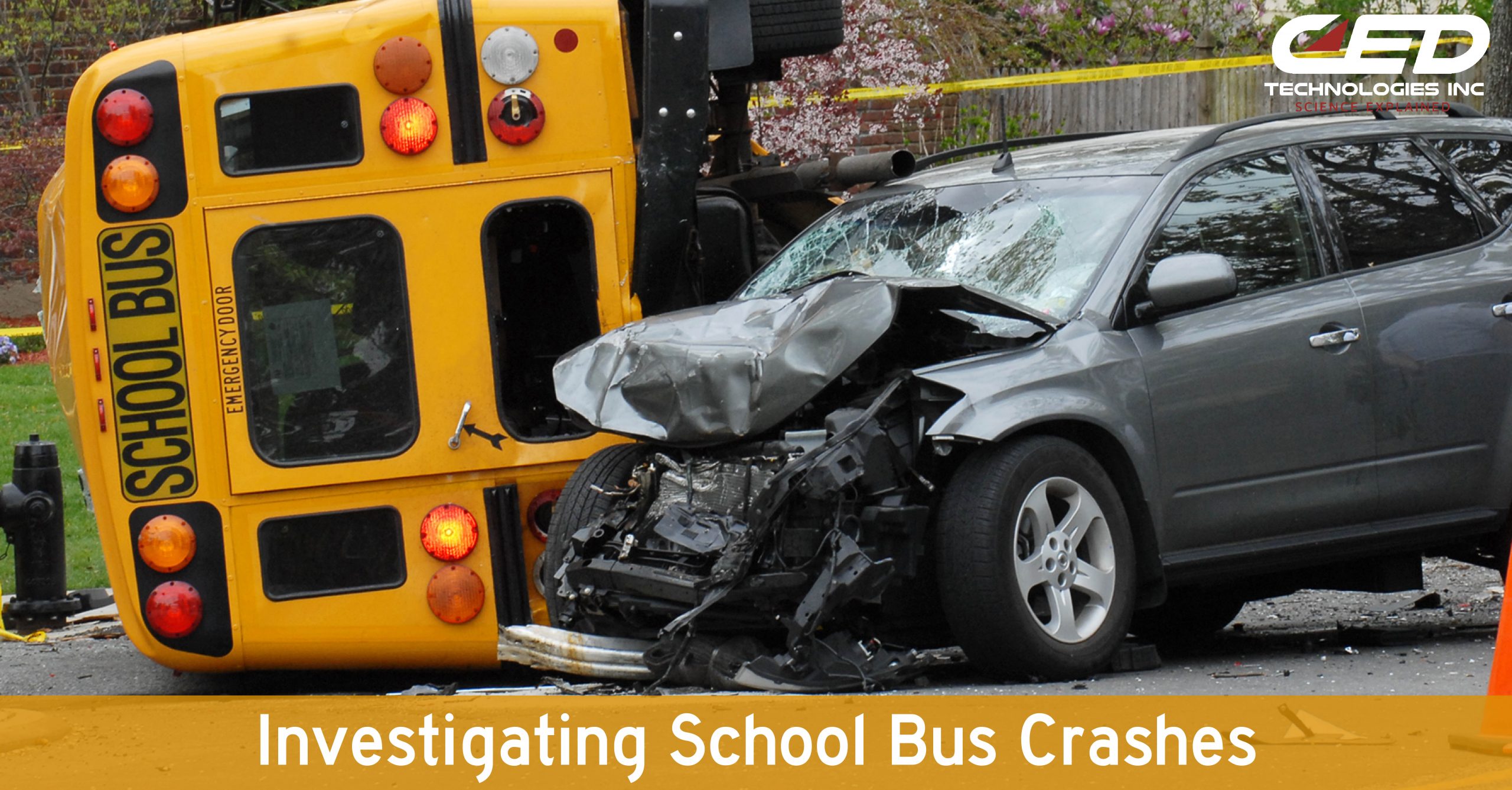
As back-to-school season brings an influx of traffic, school buses, and hurried morning drop-offs, traffic density in neighborhood school zones hits its annual peak. For insurance claims adjusters and defense attorneys, autumn routinely brings a spike in motor vehicle claims. Among these, school zone crashes and sudden-stop school bus rear-end collisions carry high financial stakes and complex liability questions.
When investigating these cases, eyewitness stories are notoriously unreliable. Estimates of speed, driver attention, and time of braking vary wildly. In order to get to the truth, investigators must look past initial police reports and witness statements to establish the real timeline of a crash. Questions to be answered include: when the hazard could have been detected, how fast drivers can react, and time and distance it takes for a moving vehicle to stop.
What Happens in the Seconds Before a Crash?
Before a driver’s foot ever touches the brake pedal, their brain must process what is happening in front of them. between a driver’s observation of a hazard—like a flashing red school bus light or a child stepping toward the street—and physically push down on the brake, several split-second steps occur:
● Spotting the Hazard: The driver visually sees the warning light or pedestrian.
● Recognizing the Danger: The brain realizes the vehicle needs to stop immediately.
● Deciding to Act: The brain chooses to slam on the brakes rather than swerve.
● Physical Movement: The driver moves their foot off the gas and onto the brake pedal.
For an attentive driver during the day, this whole process takes about 1.5 seconds. But add in a phone screen, a messy dashboard, or kids talking in the back seat, and that reaction time will only increase.
Small Cars vs. Heavy School Buses
When a distracted driver follows a school bus too closely, the sheer weight difference makes the crash far worse for the passenger car.
A fully loaded school bus typically weighs 25,000 to 30,000 pounds, while an average passenger car weighs around 3,500 pounds. Heavy buses take much more time and distance to stop when compared to passenger cars, but they also act like a solid wall when struck from behind.
When a stopped school bus is struck several things can happen:
– The passenger car driver likely reacted too late to avoid the bus.
– Because of the difference in size, weight and structure of the vehicles, the passenger car will experience more damage than the bus.
– The front of the passenger car may underride the rear of the bus which increases the chance of damage to the occupant compartment and increases the risk of injury or death.
Uncovering What Really Happened
When parties disagree over who was at fault in a school zone crash, technical experts step in to reconstruct the timeline using physical and digital evidence:
● Black Box Data: Modern cars and school buses record pre-crash data, showing exact speeds, when the brakes were applied, and how hard the driver hit them.
● Camera Feeds & Telematics: Dash-cam footage and fleet tracking show precise timing, driver actions, and traffic flow.
● Sightline Studies: Experts check whether sun glare, parked cars, or trees blocked the driver’s view of school bus warning signs or stop arms.
● Distraction Analysis: By comparing phone activity timestamps with the vehicle’s black box data, experts can prove whether a driver was distracted in the moments leading up to the crash.
Choosing CED Technologies
Understanding the site details, the factors affecting driver reaction time and vehicle stopping distances transforms a complicated “he-said, she-said” argument into clear, understandable facts. In high-stakes school zone claims, early investigation preserves critical data and provides adjusters and legal teams with solid answers to critical questions.
CED Technologies specializes in forensic engineering and accident reconstruction, helping legal and insurance professionals determine the root cause of complex vehicular crashes.