Shortcode Cleaner

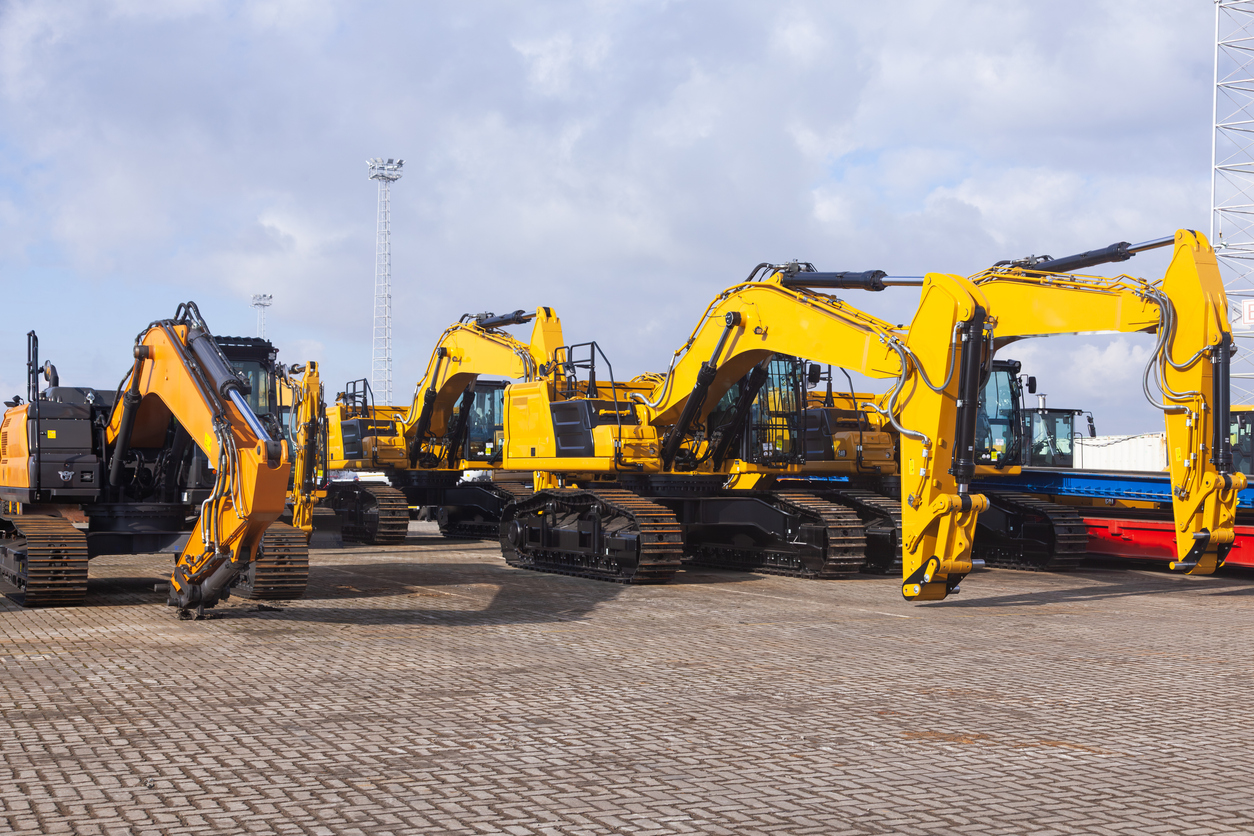
When a piece of construction or industrial equipment fails on a job site, determining the root cause is rarely straightforward. Unlike fleet vehicles or privately owned machinery where maintenance schedules and operational histories follow a single linear path, rented equipment introduces a complex web of shared responsibility.
From scissor lifts and boom lifts to excavators and commercial generators, rental machinery frequently passes through dozens of operators and job sites in a single season. When a structural component yields, a hydraulic line ruptures, or a safety interlock fails, the critical legal and technical question becomes: Was the accident caused by improper operator use, pre-existing mechanical fatigue, or a failure in the rental company’s inspection and maintenance protocols?
For both plaintiff and defense counsel, as well as insurance claims adjusters, establishing liability requires a rigorous forensic engineering evaluation that examines both the physical evidence and the documentation trail.
The Triad of Rental Equipment Liability
Forensic investigations involving rental equipment typically focus on three distinct areas to determine how and why a failure occurred:
1. Pre-Delivery Inspection (PDI) and Maintenance Records
Rental yards are required to perform routine inspections, routine maintenance, and thorough Pre-Delivery Inspections before equipment leaves the facility. Forensic engineers examine service logs, repair histories, and inspection checklists to evaluate:
- Whether known mechanical issues or reported defects were properly addressed prior to re-renting.
- If scheduled component replacements (e.g., wire ropes, hydraulic hoses, braking systems) were executed per manufacturer specifications.
- Whether deferred maintenance contributed directly to the ultimate failure mechanism.
2. Job Site Environment and Operator Conduct
Even perfectly maintained machinery can fail if operated outside design parameters or safety limits. A comprehensive analysis evaluates operator actions and environmental factors, including:
- Ground and Slope Conditions: Outrigger placement, soil stability, and grade limits.
- Capacity and Loading: Overloading, improper rigging, or side-loading beyond specified duty cycles.
- Human Factors: Operator training credentials, adherence to warning labels, and bypass of installed safety limit switches.
3. Product Defect and Component Analysis
If maintenance logs appear complete and operator error is ruled out, the focus shifts to potential design or manufacturing defects. Metallurgical and material testing can identify whether a component failed due to unexpected material fatigue, manufacturing flaws, or inadequate design tolerances.
The Role of Forensic Engineering in Unraveling the Evidence
Evaluating a rental equipment accident requires a multi-disciplinary approach combining mechanical engineering, metallurgy, and human factors. Forensic experts conduct detailed physical inspections and reverse-engineer the event sequence through several key steps:
- Metallurgical & Failure Analysis: Utilizing scanning electron microscopy (SEM) and non-destructive testing to differentiate between acute overload fractures and pre-existing, progressive fatigue cracks that should have been detected during routine inspections.
- Control & Telematics Data Extraction: Analyzing onboard data loggers, engine control units (ECUs), and telematics to reconstruct machine speed, load status, tilt angles, and fault codes leading up to the incident.
- Maintenance Record Auditing: Cross-referencing physical wear patterns against documented service hours to identify discrepancies in reported maintenance histories.
Choosing CED Technologies
In complex rental equipment litigation, early retention of forensic engineering experts is vital to preserve physical evidence and secure crucial documentation before machinery is repaired, altered, or returned to service.
By objectively analyzing the physical failure mechanisms alongside the operational and maintenance records, forensic engineers provide the technical facts necessary to evaluate liability accurately, whether representing property owners, contractors, equipment rental companies, or manufacturers.