Shortcode Cleaner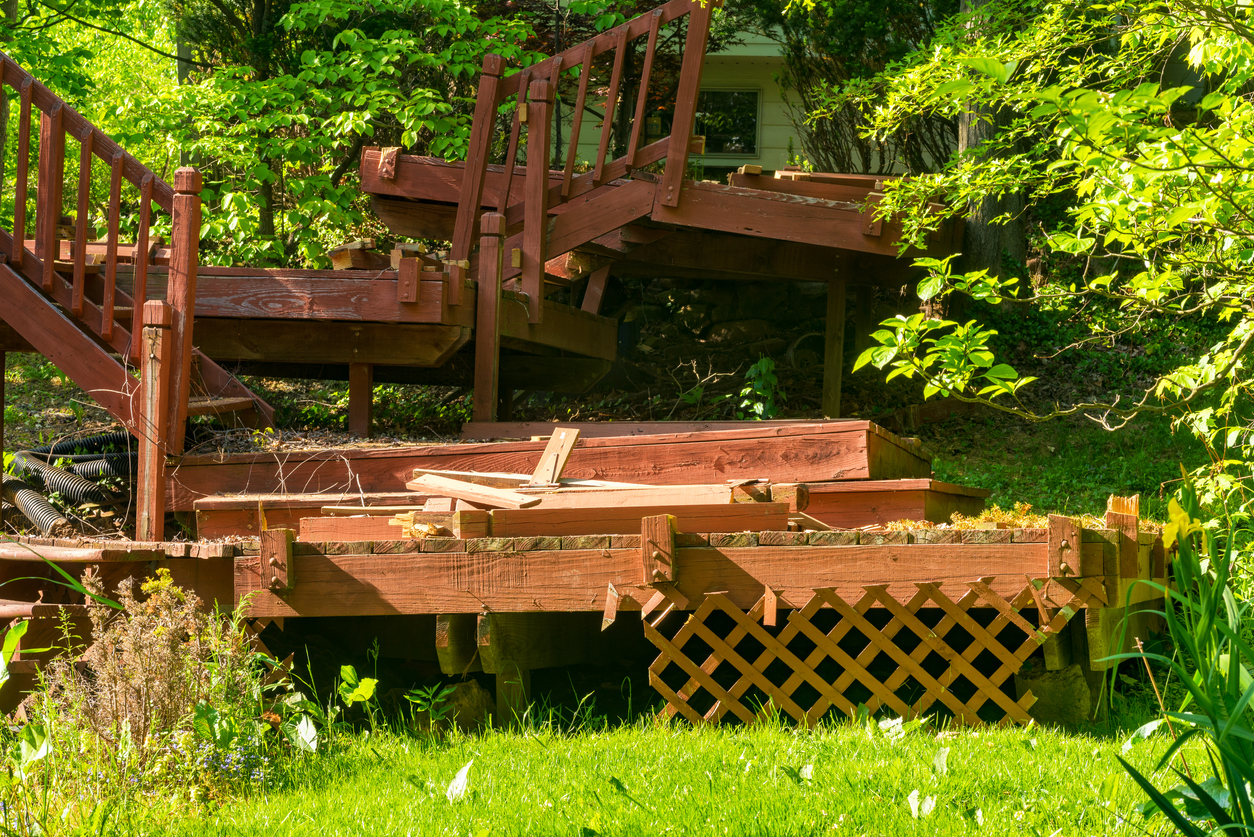
Uncovering the Root Causes and Legal Liability of Deck and Balcony Failures
It starts as a typical summer gathering, friends and family gather outdoors on a warm evening, drinks in hand, enjoying a barbecue on the back deck. Then, in a fraction of a second, the structure gives way, dropping dozens of guests several feet to the ground below. Within 24 hours, the emergency room visits turn into high-stakes personal injury claims, complex property loss files, and heated liability disputes. For insurance adjusters and legal professionals, a deck or balcony collapse presents a maze of urgent questions: Was this a catastrophic structural failure or simply overcrowding? Who is legally responsible; the original contractor, the property owner, a tenant, or a maintenance provider? To untangle the liability and separate speculation from factual evidence, claims teams must look beyond the immediate wreckage and uncover the exact physical failure mechanism.
Why Do Decks And Balconies Fail?
While a sudden collapse often feels like an unpredictable accident, structural components rarely fail without a sequence of underlying factors. In most cases, deck and balcony failures stem from these common, everyday issues.
Improper Attachment (The Ledger Board): The vast majority of deck collapses happen at the house connection point, where the deck attaches to the home’s main structure. If the original builder relied on simple nails instead of heavy-duty lag bolts, or spaced the fasteners too far apart, the connection is living on borrowed time. Over years of seasonal load changes, the deck can pull away from the wall and suddenly slide off the house.
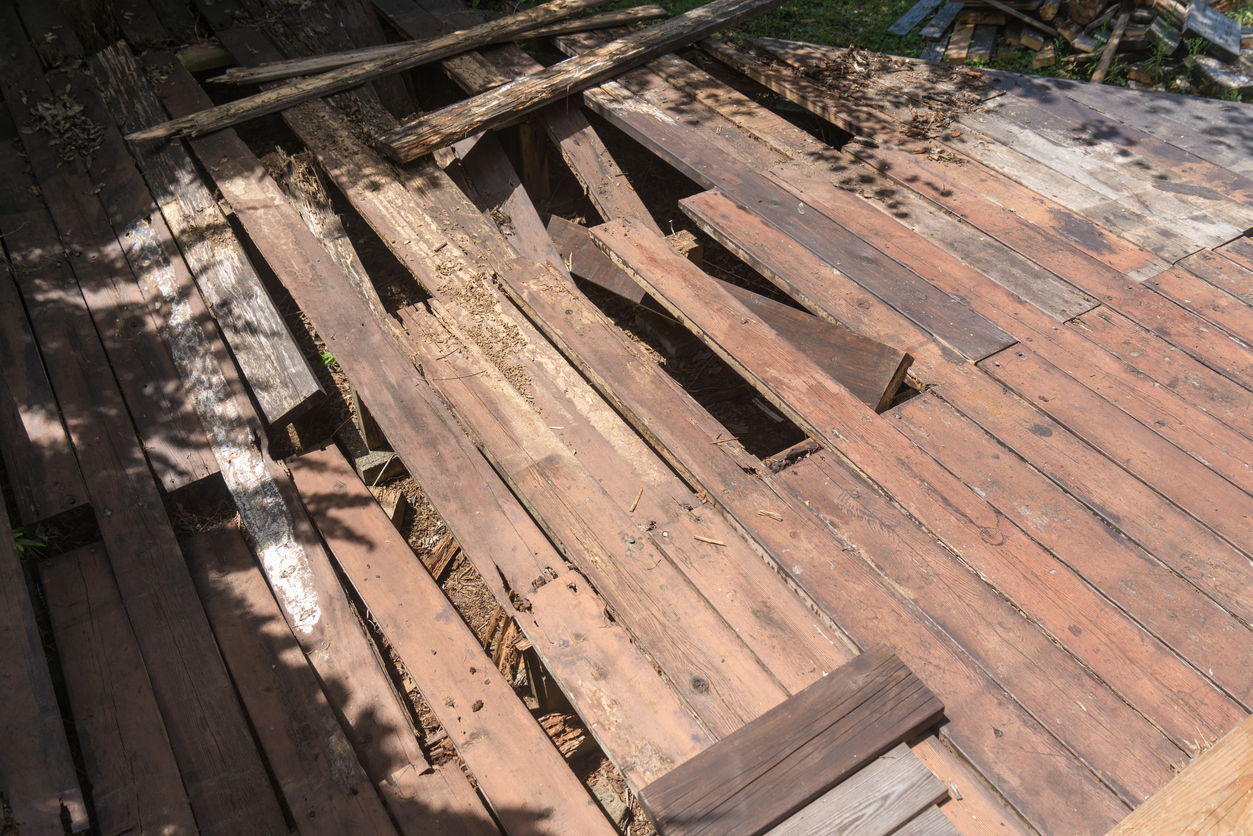
Water Intrusion & Rot: Decks are built to withstand the elements, but without proper water shielding (flashing), moisture gets trapped behind the ledger board. Over time, unseen water intrusion causes the wooden structural members to rot. To the naked eye, the deck may appear perfectly sturdy on top while its internal support network is severely compromised.
Fastener & Hardware Corrosion: Metals and wood chemicals interact over time (eg: steel, pressure treated lumber) especially when exposed to rain, humidity, and coastal air. Standard screws or un-galvanized brackets can rust and deteriorate hidden from view, gradually losing their strength until they fail under the weight of a standard summer party.
Overloading & Deterioration: While a deck should safely support a reasonable group of people, compounding factors like added hot tubs, heavy furniture, or deferred owner maintenance significantly reduce the structural load capacity.
The Essential Role of Forensic Engineering
When a collapse occurs, the immediate debris can look like an unsalvageable pile of splintered wood and twisted metal. This is where forensic engineers step in. Rather than making assumptions based on visual impressions, forensic engineers conduct a clear, objective investigation to retrace the failure step-by-step.
Examining the Fasteners: Determining whether the original construction met applicable building codes at the time of installation or if incorrect/undersized fasteners were used.
Assessing Maintenance vs. Defect: Identifying whether rot and corrosion were longstanding issues that the property owner should have noticed and repaired, or if a sudden, hidden defect caused the collapse.
Calculating Occupancy and Load: Analyzing the weight distribution at the time of the collapse to evaluate whether the structure experienced an abnormal overload condition.
By breaking down the physical evidence, engineers provide adjusters and attorneys with clear answers regarding liability apportionment, helping determine if a claim involves a contractor defect eligible for subrogation, a landlord neglect issue, or a premises liability matter.
Partner With CED Technologies
Navigating a deck or balcony collapse claim requires expert evaluation that stands up in court while remaining accessible and straightforward. At CED Technologies, Inc., our team of experienced forensic structural engineers specializes in determining exact failure mechanisms, assessing building code compliance, and identifying key subrogation targets. We pride ourselves on translating complex engineering data into clear, objective, and easy-to-understand findings for claims adjusters, legal counsel, and juries alike. When a structural emergency occurs, trust CED Technologies to deliver the clarity and evidence you need to resolve claims efficiently and accurately. Ready to get expert forensic analysis on your case? If you have a potential claim or case that requires technical investigation, https://www.cedtechnologies.com/my-assignments/ and our team will review it right away.