Shortcode Cleaner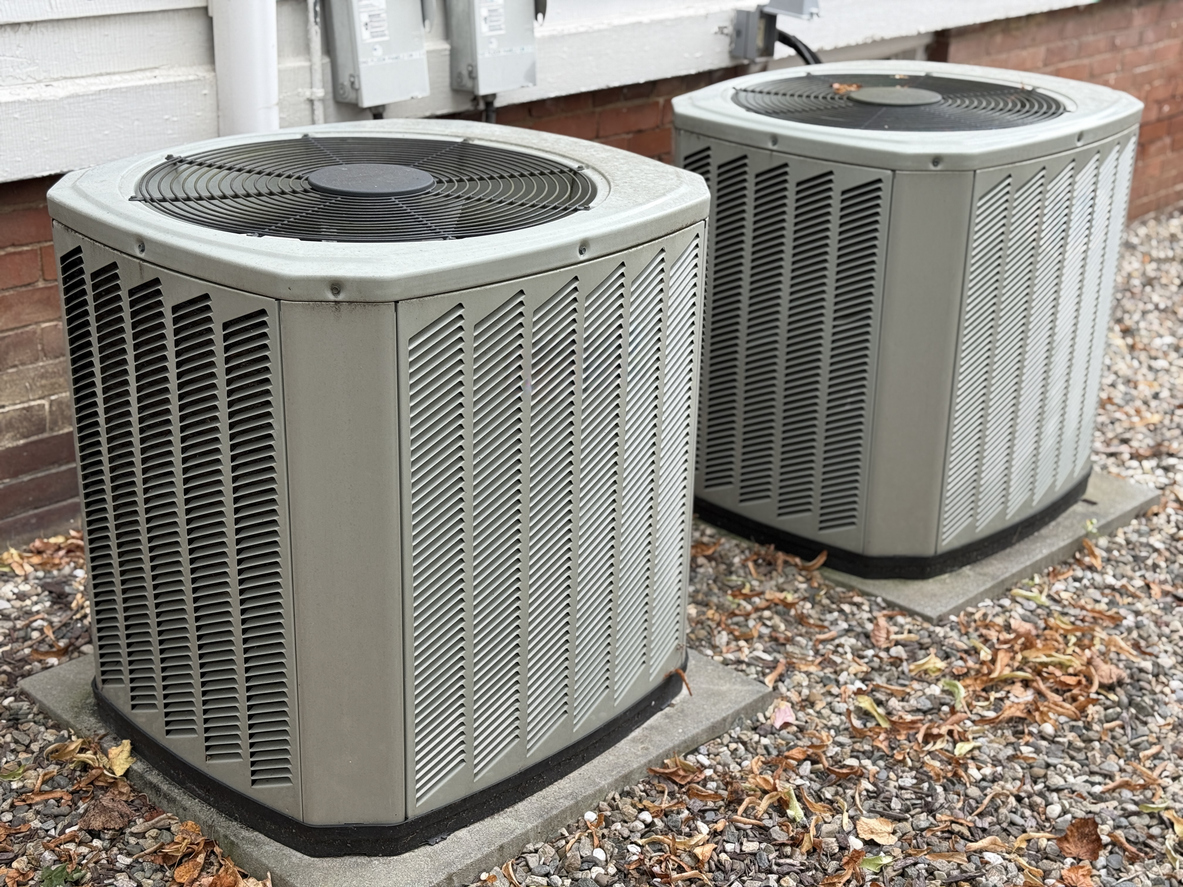
From residential air conditioning units to massive commercial systems, HVAC and refrigeration equipment keeps our world running comfortably. But when these complex mechanical systems fail, the fallout is rarely comfortable. Whether it’s a sudden water leak that floods a high-value commercial space, a catastrophic fire, or dangerous toxic exposure, HVAC failures trigger a steady stream of costly claims and high-stakes litigation.
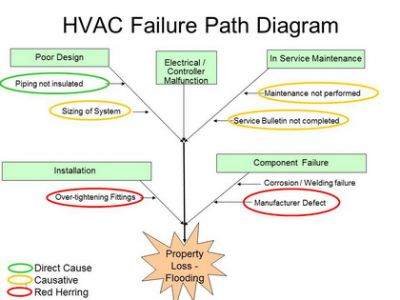
At CED Technologies, we have spent over 35 years investigating these exact scenarios. In our experience, nearly every HVAC or refrigeration failure boils down to one of four root causes: manufacturing design defects, equipment flaws and sizing errors, installation defects, or improper maintenance. Here is a look inside how these systems fail, and how forensic engineering uncovers the truth.
Where HVAC Systems Fail
Manufacturer Component Defects: Sometimes, the issue originates right on the factory floor. When a specific component part fails prematurely, it can trigger a domino effect that compromises the entire system.
System Design Flaws & Sizing Errors: An HVAC system is only as good as the plan behind its installation. Manufacturers produce published performance ratings detailing exactly what cooling load their units are capable of satisfying. These industry standards are regulated and published by organizations like the Air-Conditioning, Heating, and Refrigeration Institute (AHRI) and the American Society of Heating, Refrigerating and Air Conditioning Engineers (ASHRAE).
Inadequate or Improper Design of HVAC Systems: Sometimes the construction drawings, specific equipment or air/water delivery systems are not appropriate for the building it serves.
Neglected Maintenance & Hidden Dangers: Even a perfectly manufactured and designed system will fail if it is neglected. Simple oversights like unreplaced air filters or uncleaned heat exchangers drastically reduce efficiency and strain the system. More severely, poor maintenance leads to leaks that carry extreme safety risks:
- Refrigerant Leaks: Freon is heavier than air and displaces oxygen. If it leaks into an enclosed space, it poses a silent suffocation hazard.
- Ammonia Risks: Commonly used in heavy-duty industrial refrigeration, leaked ammonia can quickly become highly explosive if it encounters an ignition source.
- Systems lacking appropriate fire detection and fire response components.
The Role of Forensic Engineering in HVAC Claims
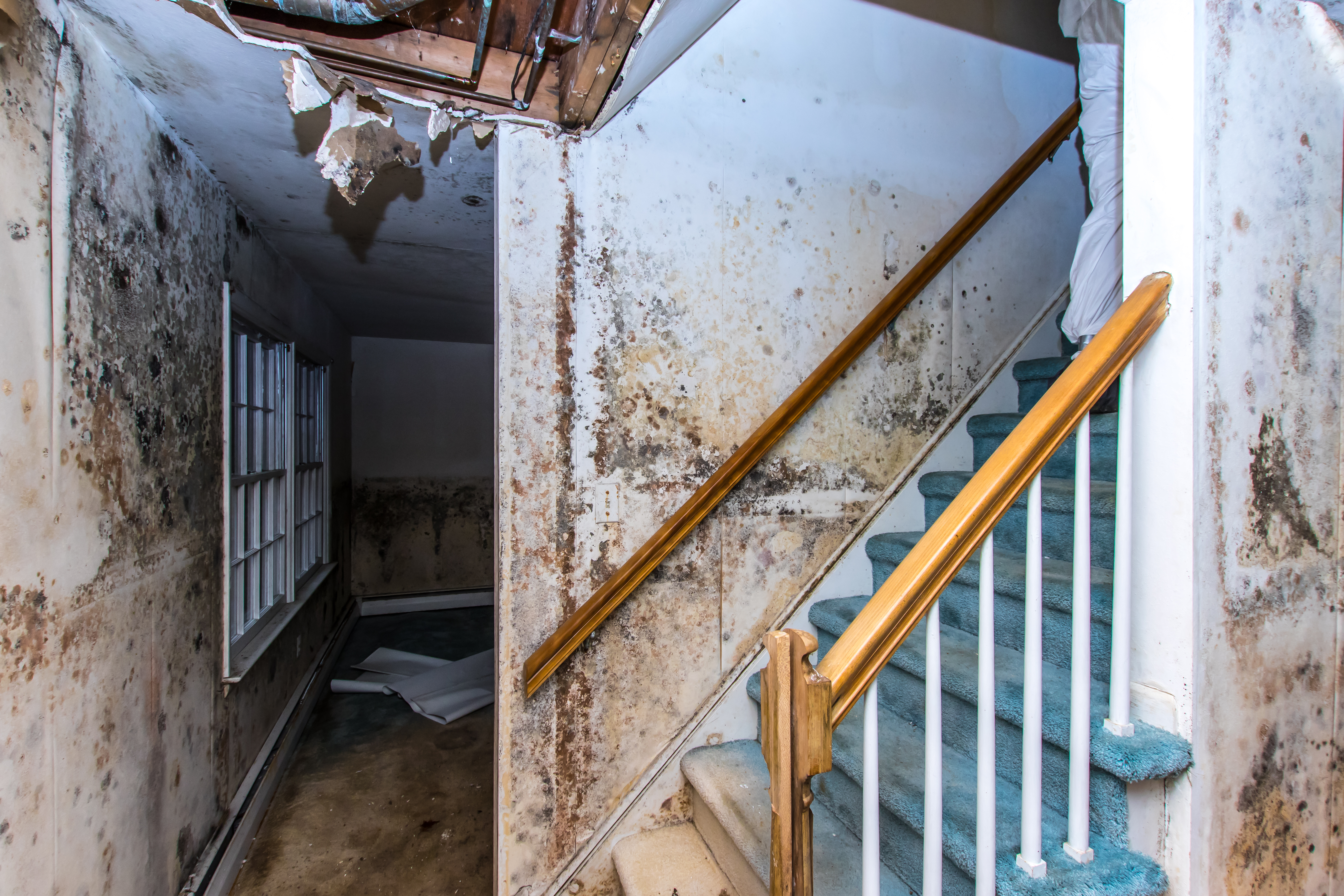
Investigating an HVAC claim requires looking far beyond the surface damage. Cases often focus on technical nuances,or severe liabilities like property fire loss, electric shock, workplace safety violations, and personal injury from mold or carbon monoxide exposure. Determining liability requires a meticulous, scientific approach. CED’s multidisciplinary team of mechanical, electrical, and materials engineers approaches every scene with a rigorous methodology. We preserve the physical evidence, analyze historical maintenance records, model environmental conditions, and perform component testing to deliver clear, definitive answers.
The CED Advantage
With more than three decades of investigative engineering experience, CED Technologies bridges the gap between complex mechanical failure and legal clarity. When you are facing a complicated HVAC or refrigeration claim, you need more than a guess, you need a data-driven conclusion.