Shortcode Cleaner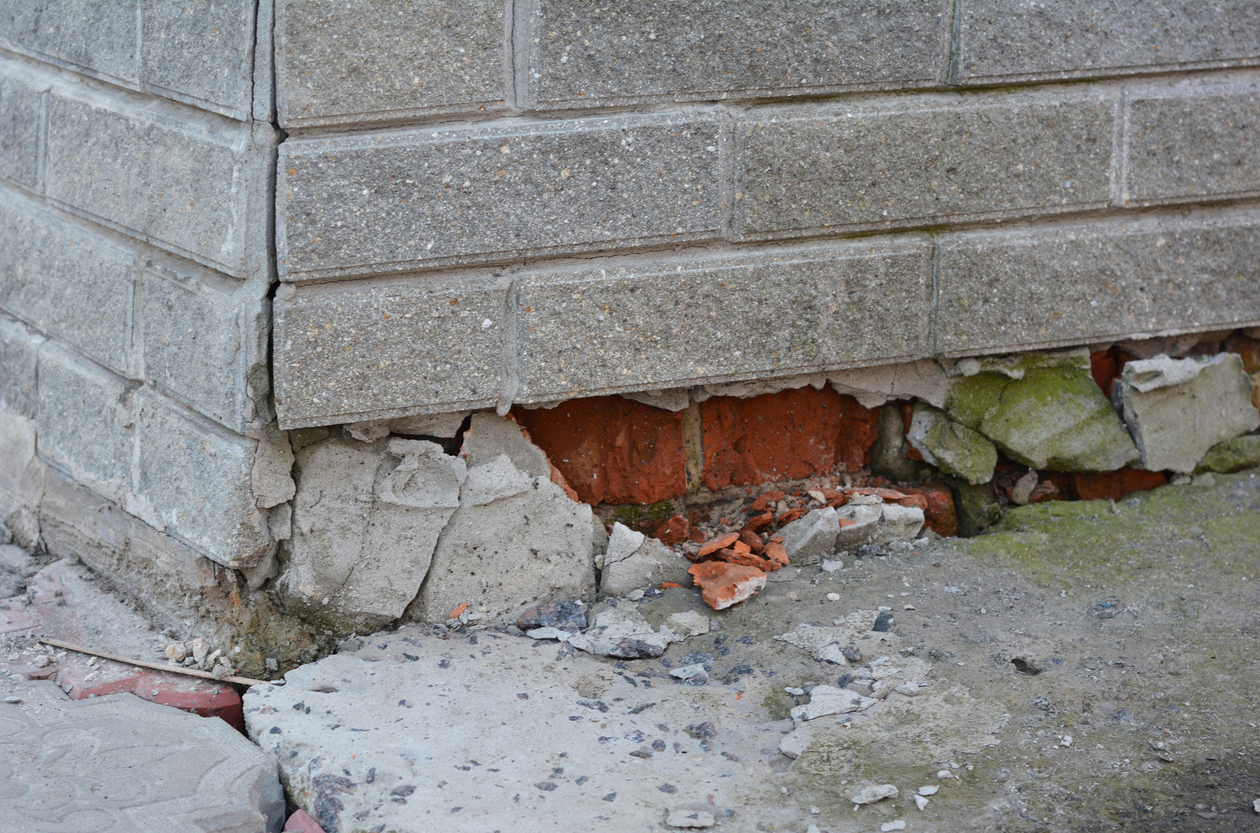
In the worlds of insurance underwriting, claims adjusting, and construction litigation, a building's foundation represents both its literal and financial anchor. When a foundation compromises, it sets off an expensive chain reaction. Walls crack, doors jam, and property values plummet. For claims adjusters and legal professionals, the primary challenge is rarely identifying that damage has occurred but rather determining why it occurred and who is contractually or financially responsible. Separating an uninsurable natural earth movement from an insurable sudden accident, a hidden plumbing leak, or actionable contractor negligence requires looking past the cracked drywall and evaluating the soil-structure interaction beneath the grading line.
Common Foundation Defects and Root Causes
Foundation failures are rarely isolated structural issues; they are almost always a conflict between the concrete structure and the ground supporting it. In legal and insurance claims, these defects generally stem from three primary vectors.
Differential Settlement: Not all foundation movement is created equal. While uniform settlement occurs when an entire building sinks evenly into the ground with minimal structural distress, differential settlement is far more destructive. This defect occurs when one portion of a building's foundation settles faster or deeper than the rest.
When one section of a concrete footing drops while an adjacent section remains stable, it introduces immense twisting forces and uneven stress profiles into the structure. Concrete is incredibly strong under compression, but it has very poor tensile strength; it cannot stretch or bend. Under the lopsided weight of differential settlement, the unsupported concrete inevitably cracks, pulling apart walls, throwing door frames out of alignment, and compromising the structural integrity of the building.
Subsurface Water Erosion: Broken underground water mains, failing storm drains, or poor property grading can introduce high-velocity water flows right next to a foundation. This water washes away fine subgrade soil particles over time. This invisible erosion can create a hollow pocket under slabs or footings until the concrete suddenly shears under dead weight.
Inadequate Pre-Construction Geotechnical Investigations: A frequent culprit in professional liability lawsuits is the failure to conduct proper soil boring tests during the design phase. If a foundation is designed based on a favorable surface layer, but a highly compressible, weak layer of organic clay exists just a few feet deeper, the entire building will slowly sink over time as that deeper layer consolidates.
The Role of Forensic Engineering
Relative Elevation Surveys: Using high-precision digital altimeters, engineers map the floor slab to establish exact settlement contours to determine how the building has warped.
Forensic Test Pits: Engineers supervise targeted excavations directly next to the damaged areas to physically inspect the depth, thickness, and reinforcement steel layout of the buried concrete footings.
Soil Core Testing: Using manual or mechanical penetrometers, investigators test the strength and moisture content of the soil directly in the “zone of influence” beneath the footing.
By matching the physical cracking patterns of the building with objective soil and elevation data, forensic engineers can rule out false claims, identify the exact origin of the defect, and deliver an unassailable technical report necessary for successful mediation, subrogation, or trial.
The Path to Resolution
Structural foundation failures are among the most expensive and legally complex property claims in the industry. For insurers and legal counsel, relying on guesswork or visual surface assumptions is a liability in itself. By utilizing forensic engineering to uncover the subsurface root causes of settlement, claims adjusters can make accurate coverage determinations, and attorneys can confidently establish liability based on clear, scientific proof rather than speculation.