Shortcode Cleaner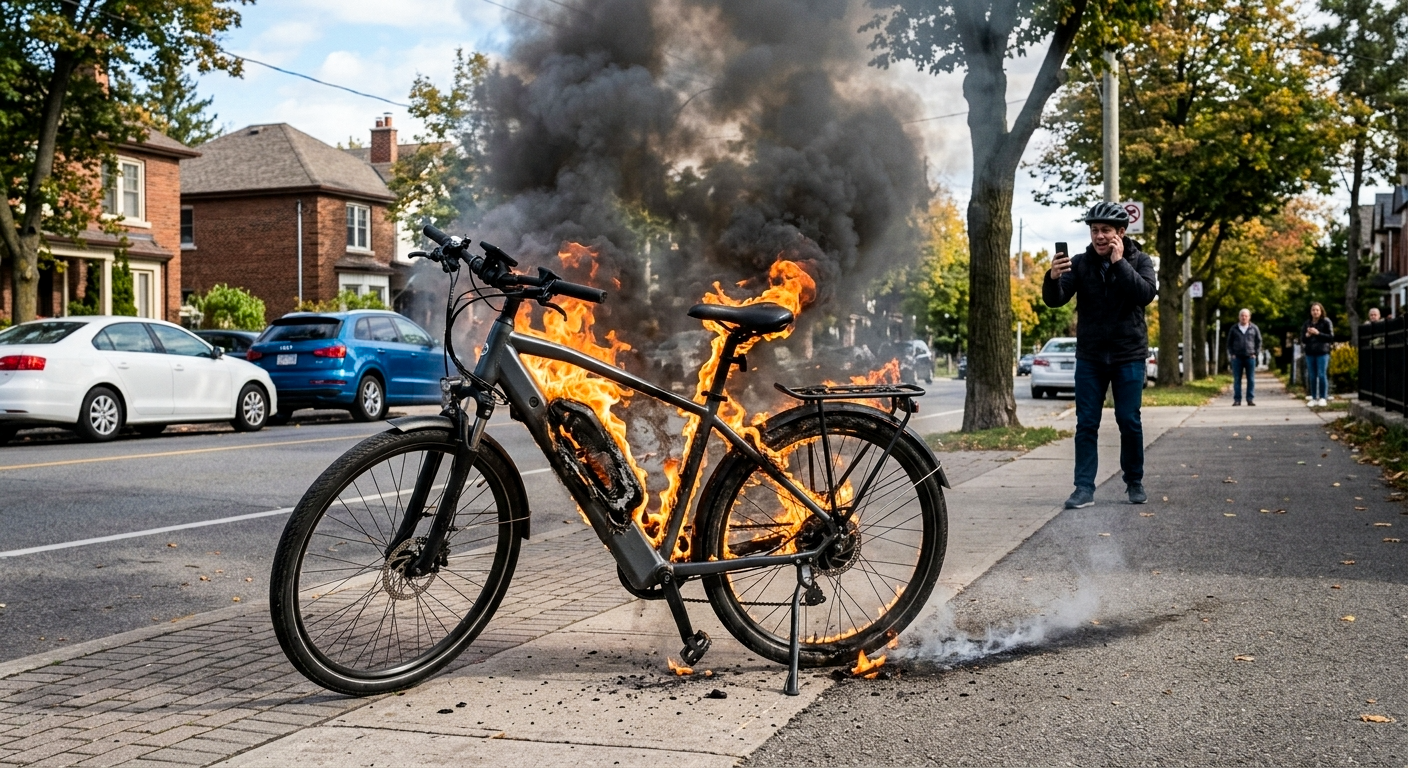
E-bikes are everywhere, but so are the headlines about their lithium-ion batteries bursting into flames. The statistics highlight how severe the problem has become: in major cities like New York, the FDNY reported over 200 e-bike related fires just last year, with these blazes claiming lives and causing millions in property damage. Because these fires burn so hot and fast that they destroy almost everything nearby, finding out what actually sparked the blaze, and where the legal liability lies, requires a specialized engineering investigation.
Understanding Thermal Runaway in E-Bike Batteries
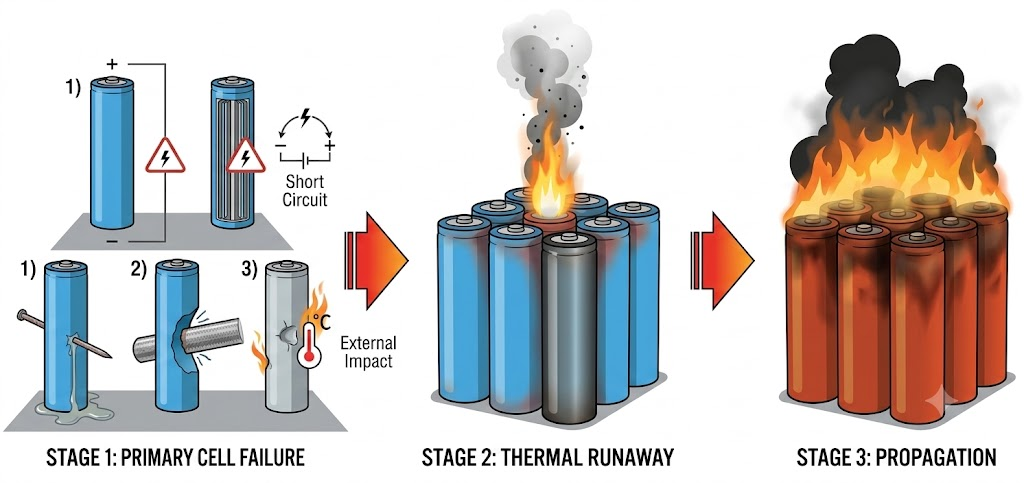
Most e-bikes are powered by lithium-ion battery packs containing dozens of individual cylindrical cells wired in series and parallel configurations. When an internal fault occurs, a cell can enter thermal runaway, an uncontrollable exothermic reaction where internal temperature and pressure spike within milliseconds, venting flammable gases and igniting adjacent cells.
What Causes E-Bike Batteries to Catch Fire?
Physical Damage (Bumps, Drops, and Crashes): Inside every battery cell is a paper-thin barrier keeping positive and negative charges apart. If an e-bike takes a hard fall, hits a curb, or experiences constant rough vibrations, that thin barrier can tear. When the sides touch, it creates an instant internal short circuit.
Using the Wrong Charger: Cheap, off-brand, or replacement chargers often lack built-in safety shutoffs. Pumping too much electricity into a battery overloads the system, generating extreme heat that breaks down the battery from the inside out.
Water Intrusion and High Heat: Storing a battery in a hot garage or letting rain and moisture leak into the casing corrodes the internal circuit boards. This corrosion causes electrical sparks (arcing) that can easily ignite the flammable liquid inside the battery.
Poor Manufacturing Quality: Budget batteries often skip key safety features, like protective insulation between individual cells or proper wiring welds. If just one defective cell overheats, a domino effect occurs, rapidly triggering every surrounding cell in the pack to catch fire.
The Role of Forensic Engineering
When an e-bike fire breaks out, the sheer intensity of the blaze often reduces the bike and its surroundings to charred scrap, leaving behind a confusing crime scene of melted metal and soot. This is where forensic engineering comes in: acting as technical detectives, engineers step into the aftermath to piece together exactly how and why the fire started. By carefully analyzing burn patterns across the room, inspecting what remains of the battery cells, and examining the electrical charger, they can separate cause from effect.
Their primary job is to answer the crucial multi-thousand-dollar question: did a hidden defect inside the battery spark the blaze on its own, did an improper charger overcharge the system, or did an outside event, like physical damage or a surrounding house fire, trigger the failure? For insurance adjusters and legal professionals, this clear, evidence-backed story is what transforms a pile of burnt debris into a solid case, showing precisely who is at fault and where the financial liability belongs.
Partner with CED Technologies on Your Next Case
When hours matter and thermal damage obscures critical evidence, having the right technical team on your side makes all the difference. CED Technologies provides claims adjusters and legal professionals with fast, unbiased, and scientifically rigorous forensic investigations, turning complex battery debris into clear, actionable answers for your cases. Contact CED Technologies today to secure your evidence and consult with our experts on your next case.