Shortcode Cleaner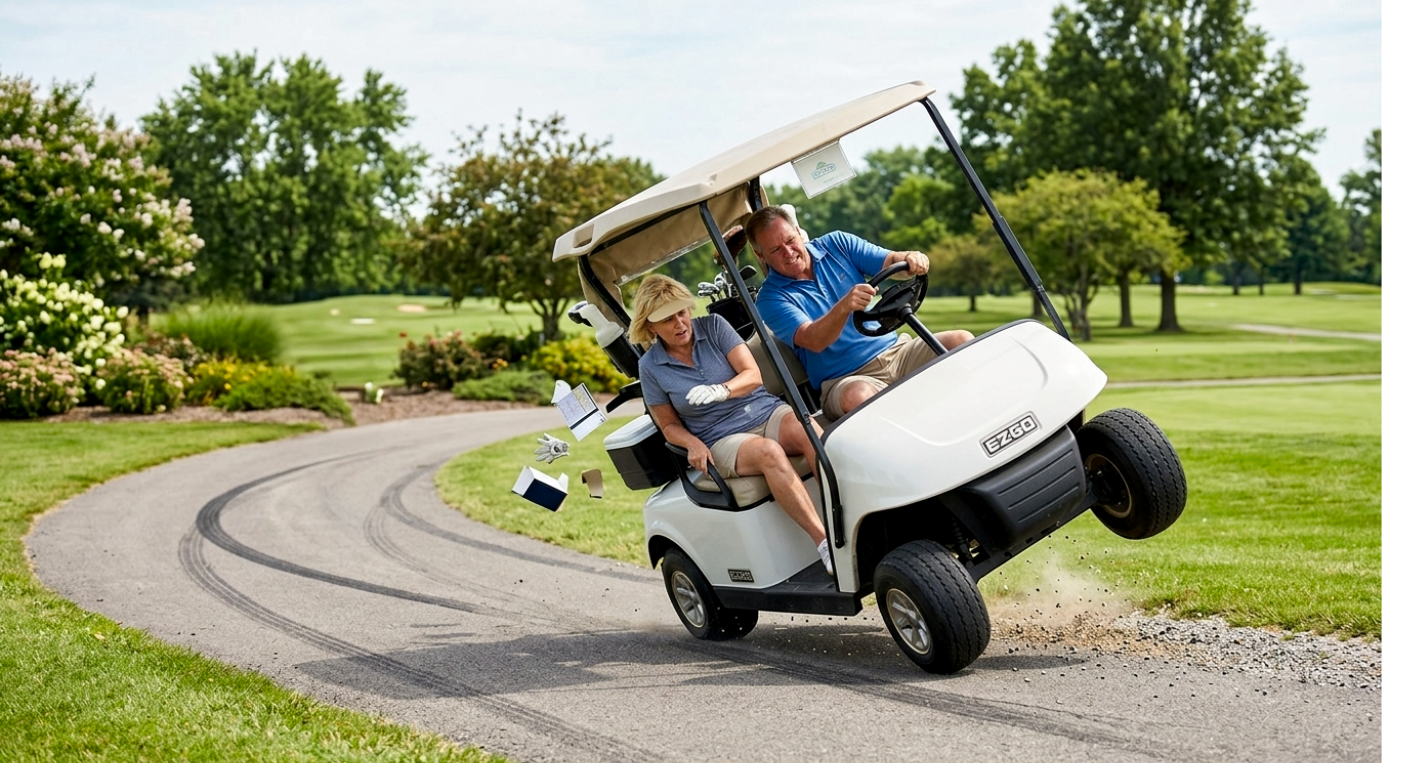
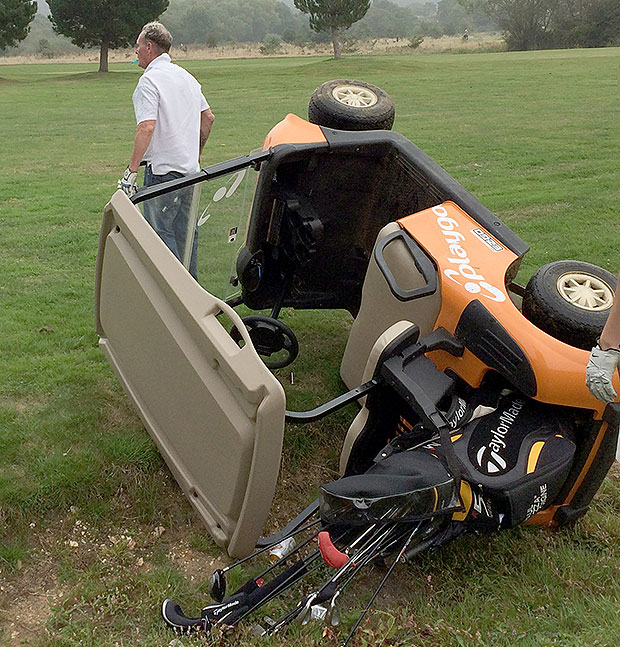
‘Golf carts’ are no longer confined to 18-hole fairways. With the explosive growth of Personal Transport Vehicles (PTVs), Neighborhood Electric Vehicles (NEVs), and Low-Speed Vehicles (LSVs) in master-planned residential communities, retirement towns, and coastal resort destinations, the usage of vehicles commonly identified as golf carts has surged and so have catastrophic accidents. Emergency room statistics report an increase in golf cart-related injuries annually across the United States year over year, with severe head trauma, passenger ejections, and dynamic rollovers leading to costly personal injury and property liability claims. Because these lightweight vehicles lack traditional automotive safety features, such as crash-tested safety cages, enclosed doors, and airbags, the risk of harm to occupants is much greater. Determining whether a crash stemmed from mechanical component failure, dangerous aftermarket modifications, or driver negligence requires a specialized forensic investigation.
LSV & Golf Cart Rollover Mechanics: Vehicle Dynamics & Stability
Unlike standard passenger vehicles engineered with low centers of gravity, advanced suspension designs, and electronic stability control (ESC), standard golf carts are designed primarily for flat turf operation at modest speeds (12 to 15 mph). However, when driven on paved roads or converted into street-legal LSVs, their fundamental physical limitations can become severe hazards.
Vehicle Kinematics & Stability: A golf cart’s lateral stability is governed by its track width and center of gravity (CG) height. As CG height increases or track width narrows, the stability decreases proportionally. In tight turns or sudden evasive swerves, lateral acceleration forces generate severe weight transfer to the outer tires. Without the advanced suspension designs seen in modern passenger vehicles or ESC to intervene in an event, this dynamic force rapidly exceeds the rollover threshold, causing the vehicle to tip or flip instantly.
Common Causes of Golf Cart Accidents & Component Failures
Brake Asymmetry and Mechanical Cable Failure: Most standard golf carts rely on rear-wheel mechanical drum brakes linked by dual equalizer cables. Corrosion, unequal cable stretching, or improper shoe adjustment can cause one rear wheel to lock up while the other rotates freely during hard braking. This sudden traction imbalance can induce rapid yaw instability, spinning the vehicle sideways and inducing a rollover even on slight inclines.
Unregulated Lift Kits and High Centers of Gravity: Aftermarket modifications, such as suspension lift kits, oversized off-road tires, and high-rpm motor controllers, are frequently installed to boost ground clearance and top speeds past 25 mph. Raising the chassis elevates the vehicle’s center of gravity, drastically lowering its threshold for lateral tipping during routine cornering maneuvers. Increasing the top speed beyond the manufacturer’s intended limits increases the risk of a rollover while cornering at those elevated speeds.
Steering Linkage Fatigue and Lockups: Golf cart steering systems use compact rack-and-pinion assemblies connected to the steering knuckles via tie rods. Constant exposure to rough terrain, curb strikes, or exceeding the rated load capacity of the vehicle causes fatigue and wear in tie-rod ends and other steering system components. A sudden mechanical shear or binding lockup deprives the driver of directional control, resulting in off-road collisions, tree strikes, or sudden violent turns.
Ejection Hazards and Missing Passive Restraints: Traditional golf carts lack three-point seatbelts and feature open side architecture with rear-facing bench seats equipped with minimal hip restraints. Under sudden acceleration, sharp cornering, or sudden impact, occupants, particularly children and rear passengers, are frequently ejected onto asphalt, leading to severe traumatic brain injuries and spinal fractures.
How Forensic Engineering Resolves Golf Cart Crash Claims & Liability
When a golf cart crash results in severe injury or high-value claims, the physical evidence left at the scene and on the vehicle, to include tire scrub marks, steering linkage fracture surfaces, brake drum gouges, and frame deformation, hold the critical answers to reconstructing the event. Forensic engineers step into the aftermath as technical detectives, deploying 3D laser scanning, accident reconstruction physics, and vehicle dynamics modeling to untangle cause from effect.
Their primary objective is to resolve the crucial question: did a pre-existing mechanical defect or component fatigue cause the vehicle to lose control, did improper aftermarket modification compromise the cart's fundamental stability, or did driver error and unsafe operation trigger the rollover? For claims adjusters and legal counsel, this clear, evidence-based analysis transforms chaotic wreckage into a solid, defensible case, establishing fault and financial liability.