Shortcode Cleaner

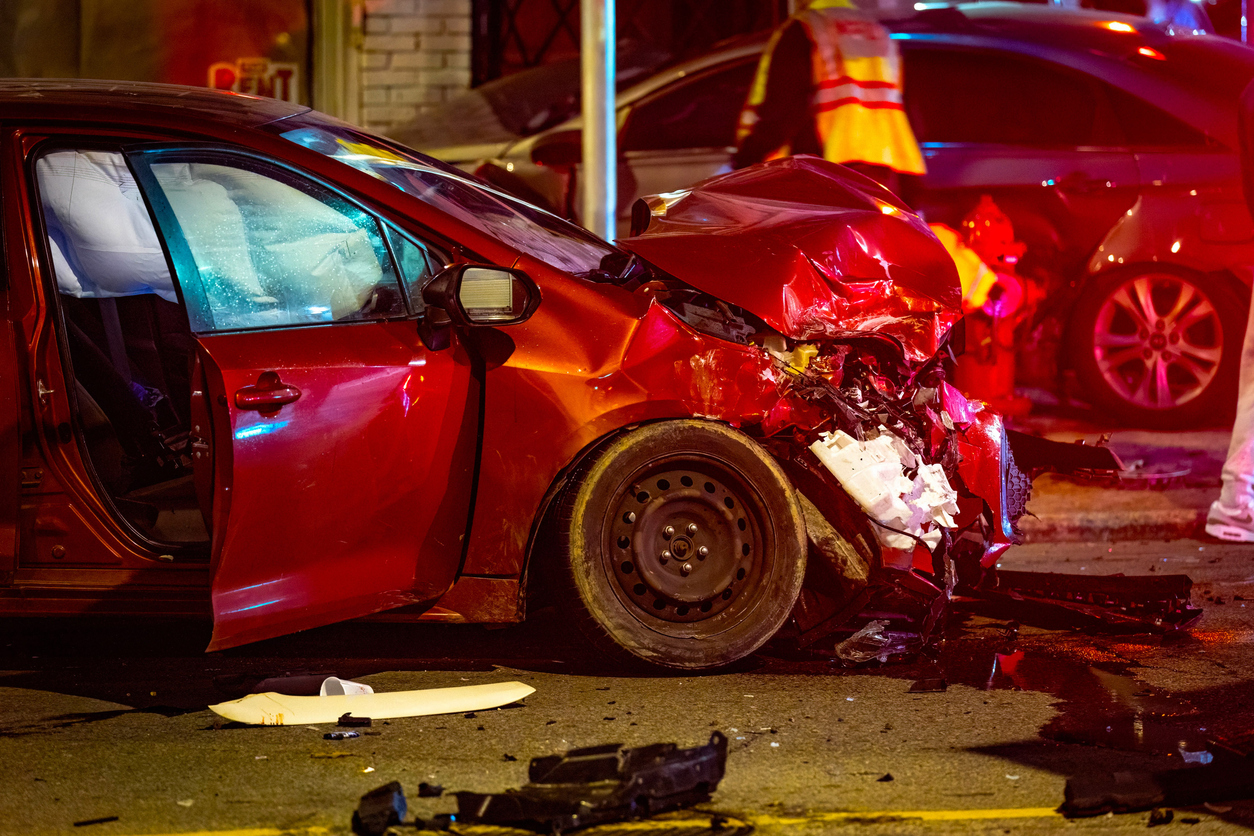
When a vehicle strikes a pedestrian in low-light conditions, the immediate reaction is often to assign full blame to the driver for failing to stop in time. It is easy to assume that because a vehicle is equipped with headlights, the roadway ahead is fully illuminated and hazards should be immediately apparent. However, nighttime driving is rarely that simple. Was it purely driver inattention, or did a complex combination of low-beam cutoff limits, dark non-reflective clothing, and visual perception thresholds make the pedestrian virtually invisible until collision was unavoidable?
In high-stakes pedestrian accident litigation or vehicle crash reconstruction, relying on visual impressions or initial assumptions means missing the true causation. Getting to the real answers requires looking beyond the dark road and evaluating the exact visual circumstances and physical forces at play.
The Mechanics of Low-Light Visibility: Why Drivers Fail to See
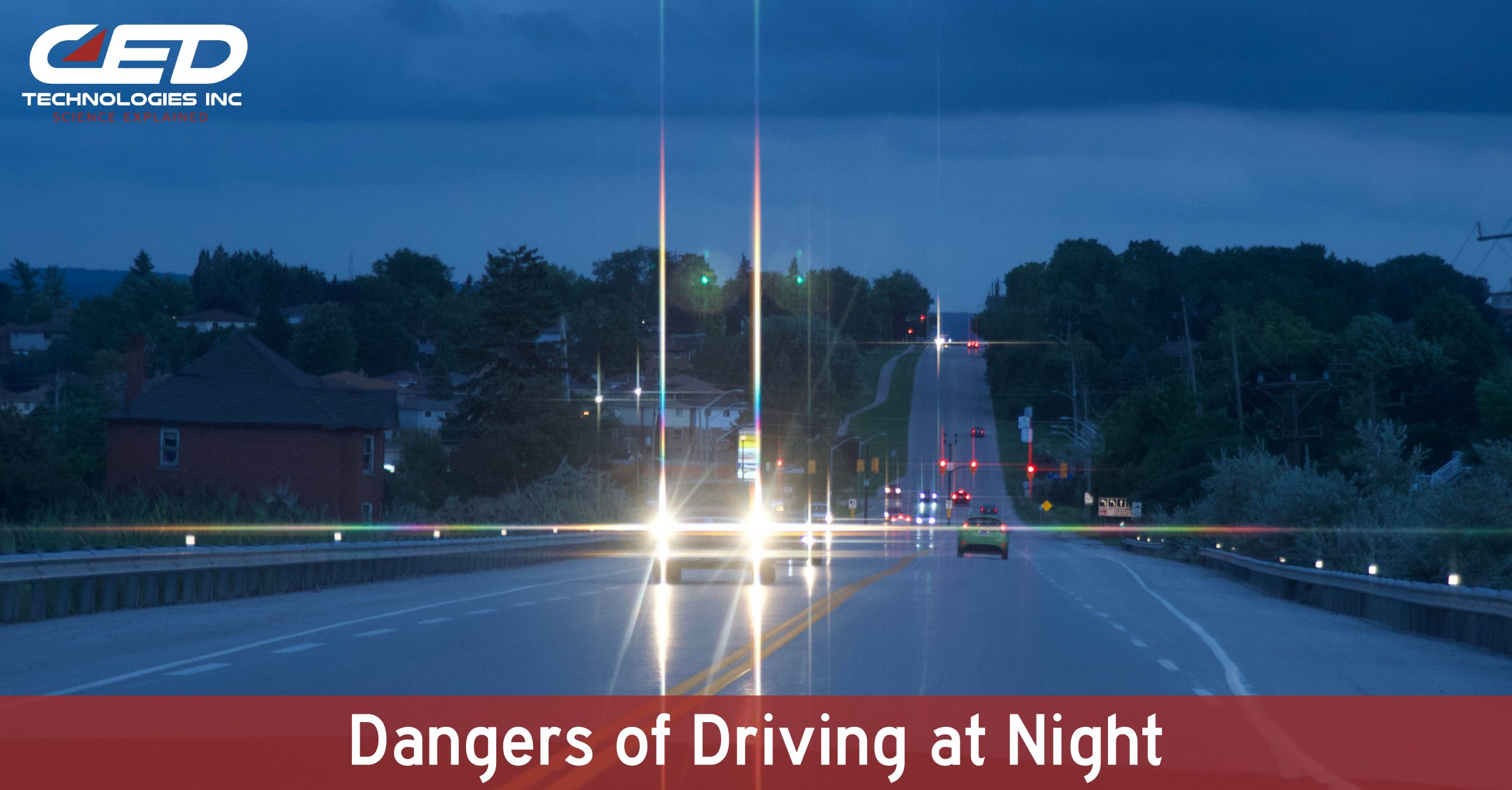
Successful visual perception at night depends on far more than a driver having their eyes on the road. The human eye relies on contrast, the difference in brightness between an object and its immediate background, to detect hazards in the dark. In low-light environments, driver perception-reaction time (PRT) and visibility thresholds are governed by several critical physical factors:
- Headlight Beam Pattern & Aim: Standard low-beam headlights project light downward and to the right to prevent blinding oncoming traffic, leaving a sharp “cutoff zone” along the left lane and upper torso region. If headlights are misaimed, have fogged lenses due to oxidation, or if the roadway features vertical crests or horizontal curves, the effective illumination distance is drastically reduced.
- Target Contrast & Clothing Reflectivity: Dark clothing (such as black, navy, or dark gray fabrics) absorbs up to 90% or more of incoming light, rendering a pedestrian almost indistinguishable from a dark asphalt background. Without retroreflective materials or active light sources, a pedestrian relies entirely on low-contrast silhouette detection rather than immediate visual recognition.
- Ambient Lighting & Glare: Illumination from streetlights, commercial signage, or glare from oncoming vehicles can create shadows or temporary visual adaptation delays (glare recovery), reducing a driver’s ability to detect objects positioned in peripheral darkness.
- Perception-Reaction Distance vs. Stopping Distance: At 45 mph, a vehicle travels 66 feet per second. Accounting for a standard nighttime perception-reaction window plus mechanical braking distance, a driver may require over 200 feet to come to a complete stop, often far exceeding the range at which dark-clothed pedestrians become visible under low-beam lighting.
How Forensic Engineers Reconstruct Nighttime Pedestrian Accidents
Reconstructing a nighttime pedestrian strike requires far more than reviewing police reports and weather logs. Forensic engineers apply rigorous physical principles, optical science, and human factors analysis to determine whether a driver had sufficient time and distance to perceive, react, and avoid the pedestrian.
Through detailed site investigations and technical analyses, our team evaluates scene-specific visibility conditions:
- Low-Light Sightline & Visibility Testing: Engineers measure ambient light levels (lux/foot-candles) at the scene and re-enact nighttime lighting conditions using high-resolution low-light cameras and lux meters to document exact contrast ratios and detection distances.
- Headlight Mapping & Aim Inspection: Inspecting the subject vehicle’s lighting assemblies, bulb integrity, lens degradation, and beam pattern alignment
- Pedestrian Kinematics & Throw Distance: Analyzing vehicle exterior contact marks, windshield impact geometry, and pedestrian final rest positions to calculate impact speed and determine pre-crash pedestrian movement.
- Digital Telematics & EDR Extraction: Downloading the vehicle’s Event Data Recorder (EDR) to correlate speed, throttle position, and brake application timing against the calculated visual detection threshold.
Partner With CED Technologies
When evaluating high-stakes pedestrian collision claims, having clear defensible facts developed by objective engineering experts makes your case readily understandable to the involved parties and facilitates prompt resolution.
CED Technologies brings decades of experience in vehicle crash reconstruction, human factors, and forensic engineering. Our multidisciplinary team of licensed professional engineers uses scientific methodology, physical testing, and advanced reconstruction techniques to deliver clear, accurate findings for both plaintiff and defense counsel, as well as claims professionals. Whether determining driver avoidance capabilities, evaluating lighting design, or analyzing pedestrian conspicuity, CED Technologies provides the objective evidence needed to resolve claims with confidence.