Shortcode Cleaner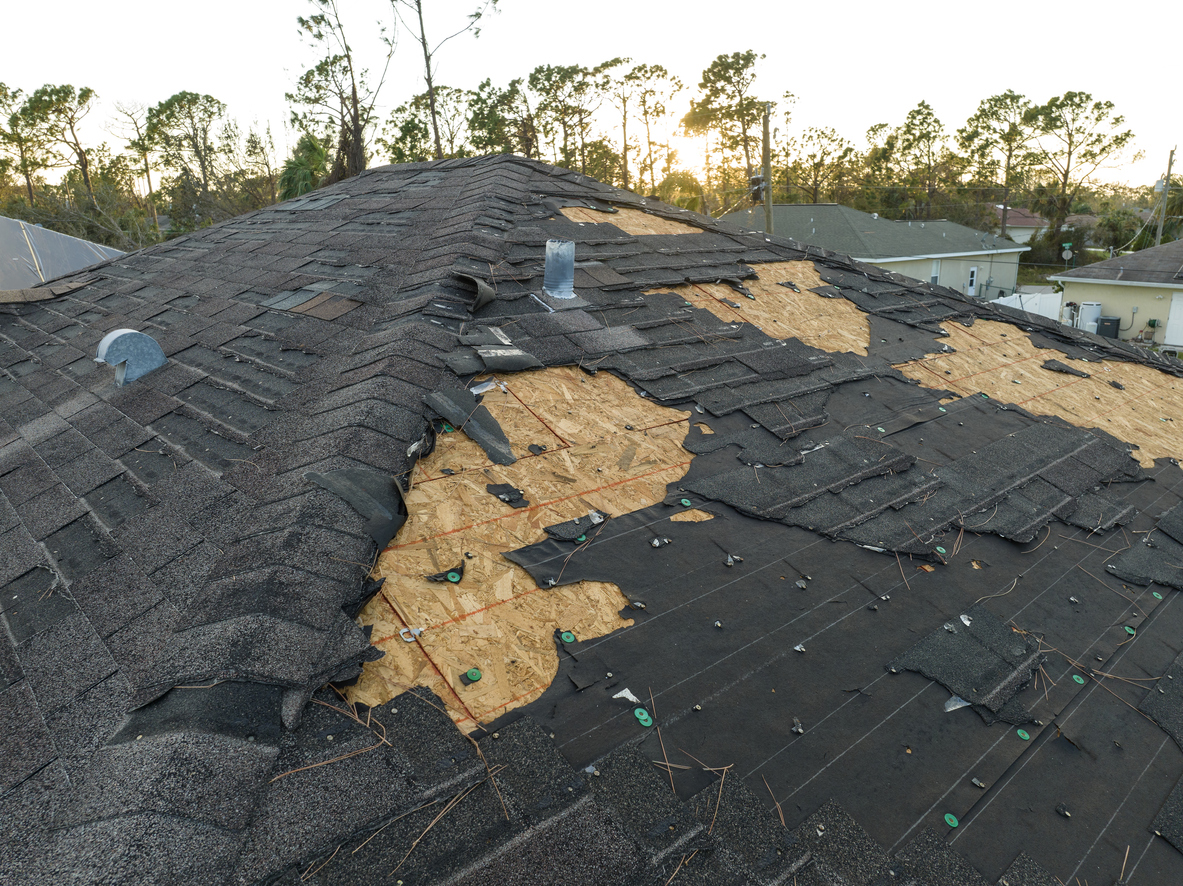
The sky clears, the storm passes, and the property damage assessment begins. Following a major weather event, a commercial or residential property owner discovers structural compromise, water infiltration, or functional failure across a facility’s roof. While the immediate assumption often points directly to the recent storm, determining the exact cause of the failure is rarely straightforward. In the complex world of property insurance and legal claims, heavy wind and hail can intersect with pre-existing material wear, structural aging, or installation defects, creating a challenging puzzle for all parties involved.
The Intersection of Weather and Pre-Existing Conditions
Commercial and residential roofing systems are engineered to withstand significant environmental stress, but they are also subject to continuous degradation over time. When a failure occurs after a storm, a comprehensive forensic inspection often reveals a combination of sudden weather impacts and ongoing, latent vulnerabilities.
Material Degradation vs. Weather Aggravation: Over years of exposure to UV radiation and thermal cycling, roof membranes naturally expand, contract, and become brittle. While a storm’s heavy rain or wind may cause a leak to manifest, forensic engineering determines whether the storm breached a sound structure or simply exposed a long-standing, weathered seam or pulled flashing.
Installation Defects and Wind Uplift: When large sections of a roof peel back during high winds, the root cause can be multi-faceted. The wind speeds may have exceeded design parameters, or the installation may have featured incorrect fastening patterns, insufficient adhesive, or improper fasteners that left the roof vulnerable from day one. Identifying these defects helps clarify whether the loss is an act of God or a construction liability issue.
Drainage Failures and Mechanical Load: If a roof’s drainage system, scuppers, drains, and gutters, is restricted or poorly designed, water accumulates. A sudden storm can drop a massive volume of water that overloads the structure, but a forensic look evaluates whether the resulting deflection or leak was caused by the sheer intensity of the weather or long-term operational blockages.
The Solar Integration: A New Layer of Complexity
A rapidly growing factor in modern property assessments is the integration of rooftop solar arrays. When a storm affects a property, evaluating the roof now frequently requires evaluating the attached photovoltaic system as well.
Rooftop solar arrays introduce unique variables to a claim. Solar panels can experience independent issues such as inverter failures, electrical surges, or poor electrical connections that happen to coincide with a storm event. Conversely, the physical installation of a heavy solar array can place localized structural stress on the underlying roof, create foot traffic punctures during installation, or inadvertently block drainage pathways. Determining whether a system outage or roof leak stems from direct hail impact, installation error, or standard electrical degradation is vital for assigning appropriate responsibility and ensuring fair coverage.
The Role of Forensic Engineering:
To achieve an equitable resolution, attorneys, public adjusters, and insurance adjusters must rely on objective, scientific data rather than initial assumptions.Certified forensic engineers help uncover definitive physical signatures to establish an accurate condition and picture of the roof and causation of the damages observed.
Visual and Microscopic Fracture Mapping: Legitimate hail damage to a roof membrane typically leaves distinct, circular fractures or localized granular loss. Conversely, cracking from UV degradation or thermal stress features uniform, branching, “alligator-skin” fracture lines that develop independent of storm direction.
Core Sampling and Multi-Layer Testing: Extracting a physical core sample allows engineers to inspect the underlying insulation and deck. Subsurface materials provide clear timelines; freshly wet insulation points to a recent breach, while long-term wood rot and mold indicate a pre-existing issue.
Historical Weather and Performance Data: Cross-referencing localized Doppler radar with property maintenance records and smart solar production logs establishes a factual baseline. This confirms whether the property was structurally sound prior to the event or if a history of performance drops already existed.
By engaging forensic experts early to conduct physical testing, structural diagnostics, and data reviews, all parties can proceed with confidence, ensuring legitimate casualties are fairly compensated while pre-existing conditions are correctly identified.