Shortcode Cleaner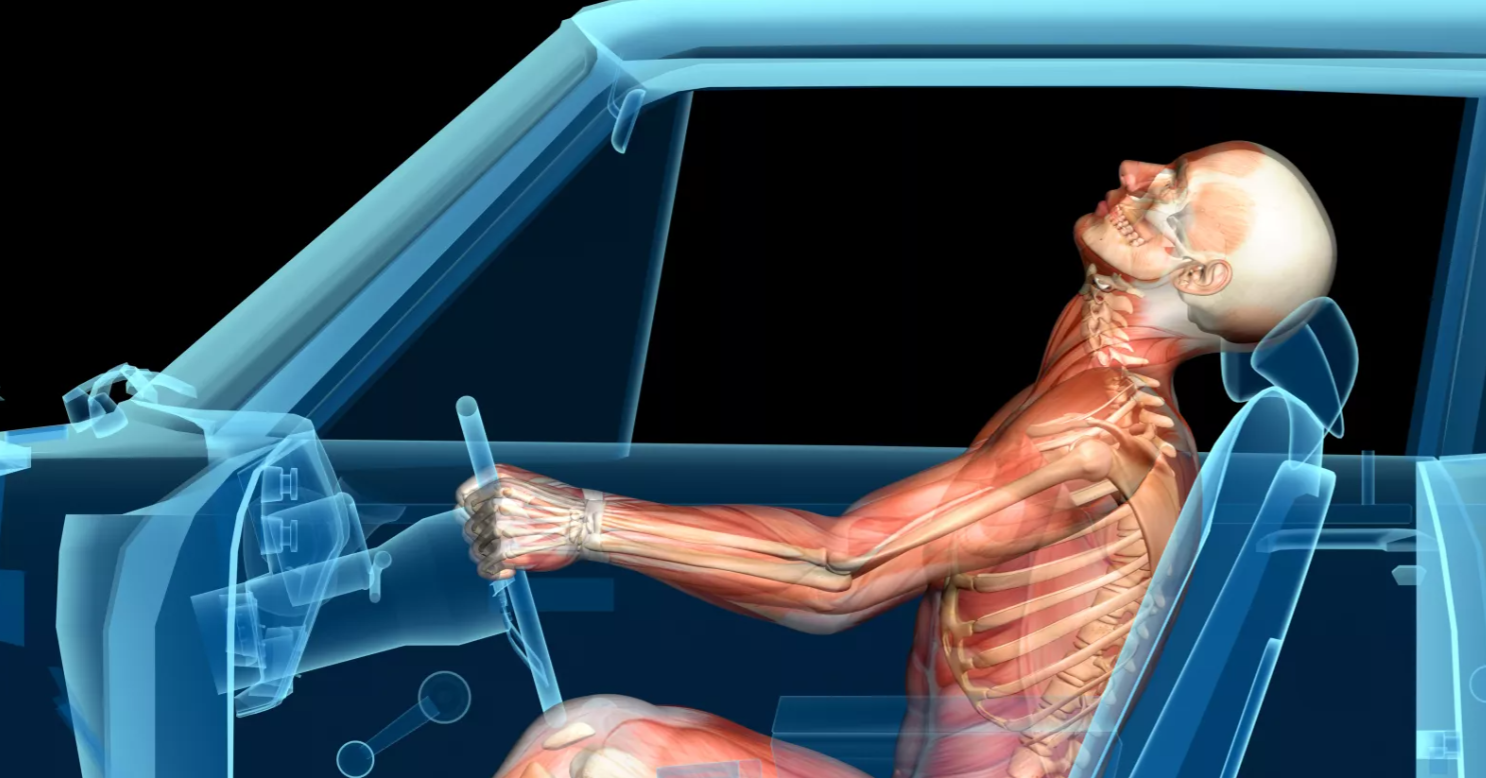
It is the ultimate claim dispute. A low-speed car accident that results in thousands of dollars in medical bills. On one side, you have minor vehicular damage; on the other, a massive injury claim. When medical records and repair estimates completely contradict each other, how do you find the objective truth?
The answer does not lie in guesswork, nor does it lie solely in vehicle repair estimates. It lies in a specialized discipline that blends the laws of physics with the biology of the human body, biomechanical engineering. When applied to vehicular accidents, biomechanics acts as the ultimate fact-checker, answering the single most critical question in a disputed injury claim. Did this specific accident actually cause this specific injury?
What is Biomechanical Engineering?
At its core, biomechanical engineering studies how the human body responds to external forces. While a traditional accident reconstructionist looks at the vehicles, calculating speeds, skid marks, and impact angles. A biomechanical engineer looks at the people inside those vehicles. They treat the human anatomy as a complex structure, analyzing how bones, muscles, and ligaments handle the motions and forces of a crash.
Beyond standard medical records, a biomechanical engineer analyzes the exact forces involved in an incident. By comparing these forces to everyday activities, they can determine whether the mechanics of the event could realistically cause the alleged injuries. In litigation, especially when opposing medical experts offer conflicting testimony, a biomechanical engineer provides the objective, scientific context juries need to reach a clear decision.
The Three-Step Analysis
Biomechanical experts evaluate injury claims through a simple, logical three-step framework that strips away ambiguity and replaces it with scientific certainty.
Determine the Crash Severity: First, the engineer looks at the physical forces generated by the collision. Using vehicle weights, impact configurations, and damage profiles, they determine how fast the occupant’s vehicle moved or stopped upon impact. This provides a clear picture of the total energy available to move the human body.
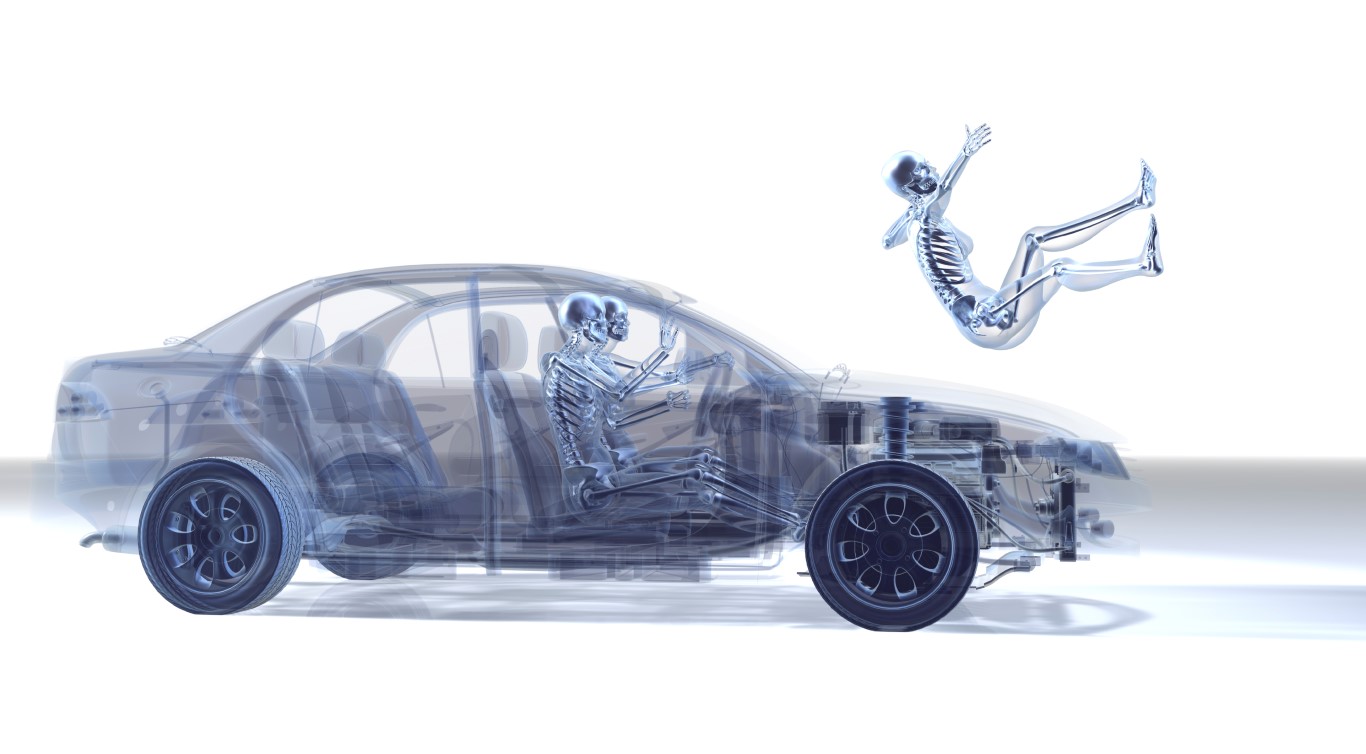
Map the Occupant's Movement: Next, the engineer establishes how a person moves inside the cabin. Depending on the direction of the impact such as rear end, head on or side swipe and if they were wearing a seatbelt, the body will move in highly predictable ways. The engineer reconstructs this motion to see if the occupant interacted with the interior, such as striking the steering wheel or loading the seatbelt.
Evaluate the Injury Mechanism: Finally, the expert compares the motions and forces experienced by the occupant to known injury mechanisms, thresholds of injuries, and activities of daily living. In doing so, the expert can demonstrate whether the motions and forces generated by a collision are consistent with an injury or whether they are comparable to activities like plopping in a chair.
Separating Pre-Existing Conditions from Acute Trauma
One of the greatest challenges for legal and insurance professionals is dealing with degenerative conditions, particularly in the neck, lower back, knees and shoulders. Medical records frequently show disc herniations or tears after an accident, but the medical record does not document whether these injuries existed prior to the collision or not. This is where biomechanics provides invaluable clarity. For example, an engineer can analyze a low speed rear end collision and demonstrate that the force exerted on an occupant's lumbar spine was less than the force experienced during everyday activities such as walking up the steps. By demonstrating that the crash forces were well below the threshold required to herniate a disc, the biomechanical analysis provides objective evidence that the condition is likely pre-existing or degenerative, rather than a result of the collision.
The Bottom Line for Professionals
In an industry where medical bills can be inflated and eyewitness testimonies are notoriously unreliable, biomechanical engineering offers a grounded, evidence-based anchor. By translating the chaotic physics of a car crash into a clear analysis of human tolerance, biomechanics allows claims adjusters and legal teams to evaluate liability with absolute confidence, ensuring fair outcomes based on scientific reality rather than emotional persuasion