Shortcode Cleaner
When a winter storm hits or a heavy downpour begins, most homeowners see a chore; for insurance adjusters and litigators, it marks the opening of a high-stakes liability window. Beneath the surface of pooling water and piling snow lies a volatile landscape where natural occurrences collide with negligent engineering and poor site management. When runoff or ice crosses a property line, the dispute transcends neighborly friction and enters the realm of Forensic Engineering, the science of transforming chaotic weather events into quantifiable, court-admissible data. In the eyes of the law, water doesn't just flow; it carries the weight of subrogation potential and premises liability.
The Role of the Forensic Engineer
In legal disputes involving snow and water, a forensic engineer acts as a high-tech detective. Their job is to determine if the movement of water (surface drainage) or snow was a natural occurrence or the result of human-made changes to the land.
Drainage Analysis: Engineers use topographical mapping to determine the natural flow of water. If a homeowner installs a new patio or retaining wall that redirects water onto a neighbor’s foundation, they may be held liable for the resulting damage.
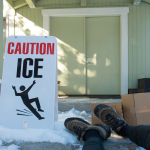
Coefficient of Friction Testing: In slip-and-fall cases involving ice or slush, engineers measure the slip resistance of the surface. They determine if the property owner’s snow removal efforts, or lack thereof, created an unnaturally hazardous condition.
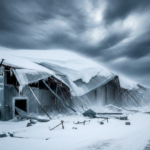
Structural Load Assessments: Forensic experts calculate if snow accumulation on a roof was handled correctly by the building’s design or if improper maintenance led to a collapse that impacted adjacent properties.
Understanding “The Rule of Reasonable Use”
In many jurisdictions, the legal standard is the Rule of Reasonable Use. This states that a landowner is legally allowed to make “reasonable” use of their land, even if it alters the flow of surface water, provided they do not cause “unnecessary harm” to others.
Forensic engineers provide the data that defines what is “reasonable.” For example, they can prove whether a sump pump discharge pipe was placed with “due care” or if it was aimed directly at a neighbor’s basement window.
Homeowner Tips: Mitigating Risk and Liability
You don't need an engineering degree to protect your property and your neighbors. Prevention is the best defense against a liability lawsuit.
Maintain Gutter Extensions: Ensure downspouts discharge at least00 5–10 feet away from property lines to prevent soil erosion and basement flooding for neighbors.
Monitor “Ice Dams”: Large icicles hanging over a property line are a physical hazard. Proper attic insulation prevents the melting-refreezing cycle that creates these hazards.
Check Grading: After any landscaping project, ensure the ground slopes away from all structures. Avoid “crowning” your yard in a way that sends all runoff to the neighbor.
The Bottom Line
Water and snow are powerful forces of nature, but how they move across your land is often within your control. When the natural flow is disrupted, forensic engineering provides the clarity needed to settle disputes. By understanding the basics of drainage and taking proactive steps to manage runoff, homeowners can avoid the costly, and often stressful, path of premises liability litigation.