Shortcode Cleaner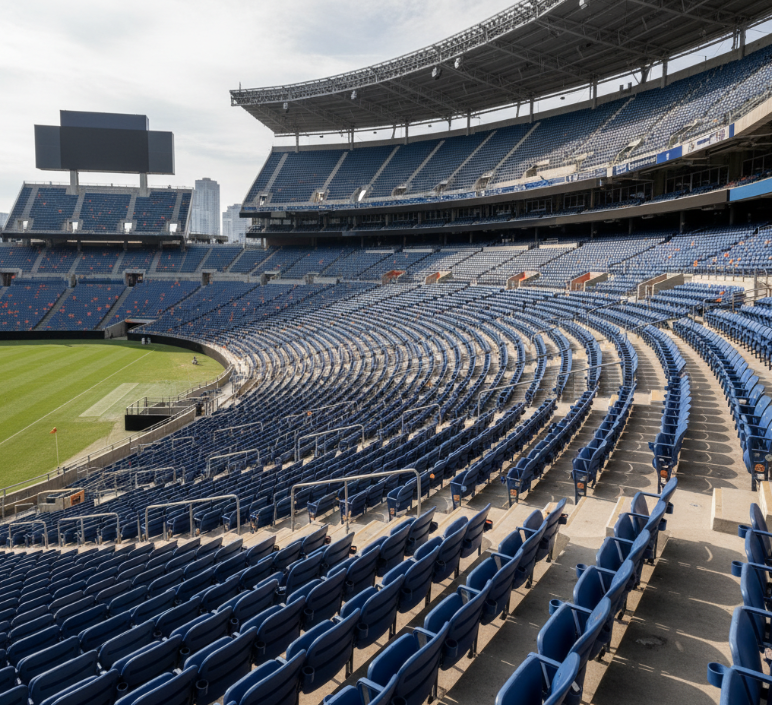
As the roar of the crowd fills the air and the smell of hotdogs wafts through the stands, football season is in full swing. For millions, attending a game is a cherished tradition. However, beneath the excitement lies a serious legal responsibility for stadium owners and operators: premises liability. When the thrill of the game turns to an unexpected injury in the stands, the legal spotlight often shifts to whether the venue upheld its duty to ensure fan safety.
The Stadium's Duty: A Safe Seat for Every Fan
Premises liability dictates that property owners, including stadium operators, have a legal obligation to maintain a safe environment for their visitors. This duty is particularly high for invitees, paying customers like football fans, who are on the property for the owner's commercial benefit. Stadiums are expected to:
- Design and construct safe seating areas: This includes proper aisle widths, guardrails, non-slip surfaces, and sturdy seating structures.
- Regularly inspect and maintain the premises: Identifying and rectifying potential hazards like loose railings, broken seats, or spilled substances.
- Warn patrons of known dangers: If a hazard cannot be immediately fixed, clear warnings must be provided.
- Provide adequate security: To prevent foreseeable harm from unruly fans or other security breaches.
A breach of any of these duties, leading to an injury, can form the basis of a premises liability claim. Imagine a scenario where a fan trips on a poorly lit, uneven step in a stadium aisle, suffering a broken ankle. The crucial question becomes: did the stadium act reasonably in preventing such an incident?
When Accidents Happen: The Role of Forensic Engineering
Determining liability in complex stadium incidents often requires more than just eyewitness accounts. This is where the specialized field of forensic engineering becomes indispensable. Forensic engineers investigate the technical reasons behind failures and accidents, providing objective, evidence-based analysis crucial for legal proceedings.
Consider an incident where a section of stadium seating collapses, injuring multiple spectators. A forensic engineering firm like CED Technologies would be called upon to meticulously examine the scene. Their experts would analyze:
- Structural integrity: Was the seating designed and built to withstand anticipated loads and stresses? Were the materials appropriate?
- Maintenance records: Were routine inspections performed? Were identified issues addressed promptly and correctly?
- Building codes and safety standards: Did the stadium comply with all applicable local, state, and national regulations for public assembly venues?
- Environmental factors: Did weather conditions, corrosion, or fatigue contribute to the failure?
- Human factors: Could improper installation or repair by maintenance staff have played a role?
CED Technologies' engineers, with their deep understanding of materials science, structural mechanics, and safety regulations, can reconstruct the sequence of events that led to the failure. Their engineers can use techniques such as non-destructive testing, materials analysis, stress simulations, and even drone imagery to gather comprehensive data. This detailed investigation helps to pinpoint the exact cause of the accident, whether it was a design flaw, a manufacturing defect, poor maintenance, or a combination of factors.
Beyond Structural Failures: Other Hazards and Investigations
Forensic engineering isn't just for dramatic collapses. It's equally vital in investigating more common stadium incidents:
- Slip and Falls: Was the floor surface adequately slip-resistant? Were spills promptly cleaned? Was there proper drainage for outdoor areas? CED Technologies could assess surface friction, lighting conditions, and maintenance protocols.
- Guardrail Failures: Did a railing give way under pressure? Engineers would evaluate the installation, material fatigue, and adherence to load-bearing standards.
- Stair and Ramp Design: Were inclines, tread depths, and handrail heights compliant with safety codes to prevent trips and falls?
While the spectacle of football season brings immense joy, it's underpinned by the serious responsibility of stadium owners to ensure fan safety. When that responsibility is breached, and injuries occur, premises liability law provides a framework for accountability. The intricate details of these cases often rely on the precise, objective analysis provided by forensic engineering. Firms like CED Technologies play a pivotal role in unraveling the technical truths behind stadium accidents, helping to determine fault and, ultimately, striving to make our beloved sports venues safer for every fan who walks through the turnstiles. The goal is always a touchdown for safety, preventing unforeseen takedowns in the stands.