Shortcode Cleaner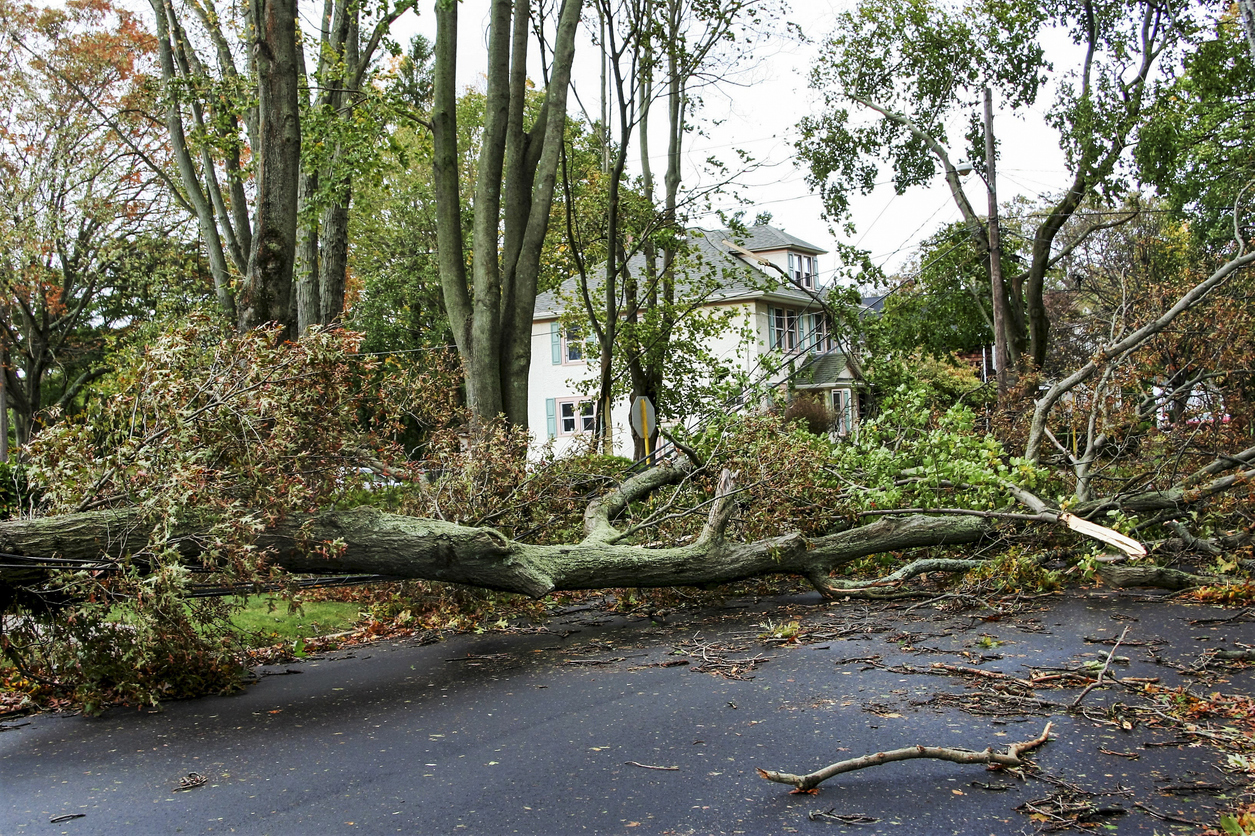
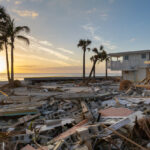
For property claims adjusters, insurance executives, and litigation counsel, the arrival of storm season brings an immediate surge in high-stakes disputes. Severe storms characterized by destructive hail, high straight-line winds, and torrential flash floods, now routinely account for tens of billions of dollars in annual insured property losses. When commercial properties, multi-family complexes, and large-scale residential portfolios sustain damage, the financial exposure is immense, and the path to resolution is rarely straightforward.
At CED Technologies, we understand the pressures you face. When millions of dollars rest on the interpretation of a roof's structural integrity or the origin of a moisture intrusion pathway, you need definitive, unbiased answers. General contractors and opposing experts often present conflicting opinions, leaving claims deadlocked in formal appraisal or costly litigation. Bridging this gap requires more than visual inspections; it demands rigorous forensic engineering and scientific certainty.
Common Storm Claim Damages: What to Look For
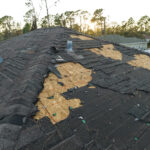
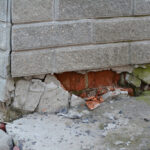
Severe storms present a wide array of physical damage, but identifying the true cause and origin of that damage requires experienced, objective analysis. Roof systems are often ground zero during a storm event, where forensic engineers frequently evaluate granule loss, and fractures on shingles, uplifted membrane and open seams, on single ply systems or hail impacts on metal and tile roofs. Beyond roofing, high winds and flying debris commonly inflict compromised exterior cladding, siding punctures, window seal failures, and structural racking. Localized flash flooding and wind-driven rain can quickly introduce moisture intrusion through building envelopes, leading to concealed structural degradation if left unaddressed. By thoroughly analyzing these distinct damage signatures, CED Technologies helps adjusters and legal counsel clearly distinguish between acute, storm-related peril damage and long-term pre-existing conditions or deferred maintenance.
Common Storm Claim Issues: Scope, Wear, and Repair
The friction in severe convective storm claims typically centers on three critical battlegrounds:
- Repair Scope Disagreements: Stakeholders frequently clash over whether localized repairs suffice or if collateral damage mandates full structural replacements. Insurers look to contain leakage and cost, while policyholders often advocate for comprehensive overhauls.
- Pre-Existing Wear vs. Acute Peril Damage: Distinguishing between long-term deferred maintenance, thermal degradation, and sudden storm impacts is one of the most contentious elements of property claims. Without empirical data, disputes over historical wear stall negotiations.
- Short-Term Patches vs. Long-Term Integrity: Applying a band-aid fix to a complex building envelope can mask underlying vulnerabilities, setting the stage for future catastrophic failures and liability exposure.
Navigating these complexities requires objective, court-admissible evidence that cuts through speculation.
The Role of Forensic Engineering
- Advanced Roof & Structural Assessments: Utilizing state-of-the-art diagnostic protocols, our engineers evaluate structural load paths, roof deck deflection, framing integrity, water damage, etc. to determine whether a building can withstand future weather events or if structural compromise has occurred.
- Hail Impact Analysis: We examine impact characteristics, material bruising, and fracture patterns across various surfaces (metal, tile, asphalt, and membranes) to differentiate acute hail strikes from mechanical damage, installation defects, or thermal blistering.
- Moisture Intrusion Modeling & NDT: Using non-destructive testing (NDT) methods, such as thermography, electronic leak detection, and moisture meters, we trace water migration pathways without tearing apart building assemblies, pinpointing when and how water breached the envelope.
- Separating Maintenance from Peril: By conducting historical weather data correlation, material fatigue analysis, and metallurgical or coating evaluations, we establish a chronological baseline that clearly separates historical wear and tear from storm-induced trauma.
Partnering With CED Technologies
In an era of escalating storm claims frequency and severity, precise forensic investigation is your strongest asset. Whether you are managing complex commercial claims, preparing for an appraisal panel, or building a defense for litigation, CED Technologies provides the scientific rigor and expert testimony necessary to protect your interests and drive claims to a fair, definitive resolution.