Shortcode Cleaner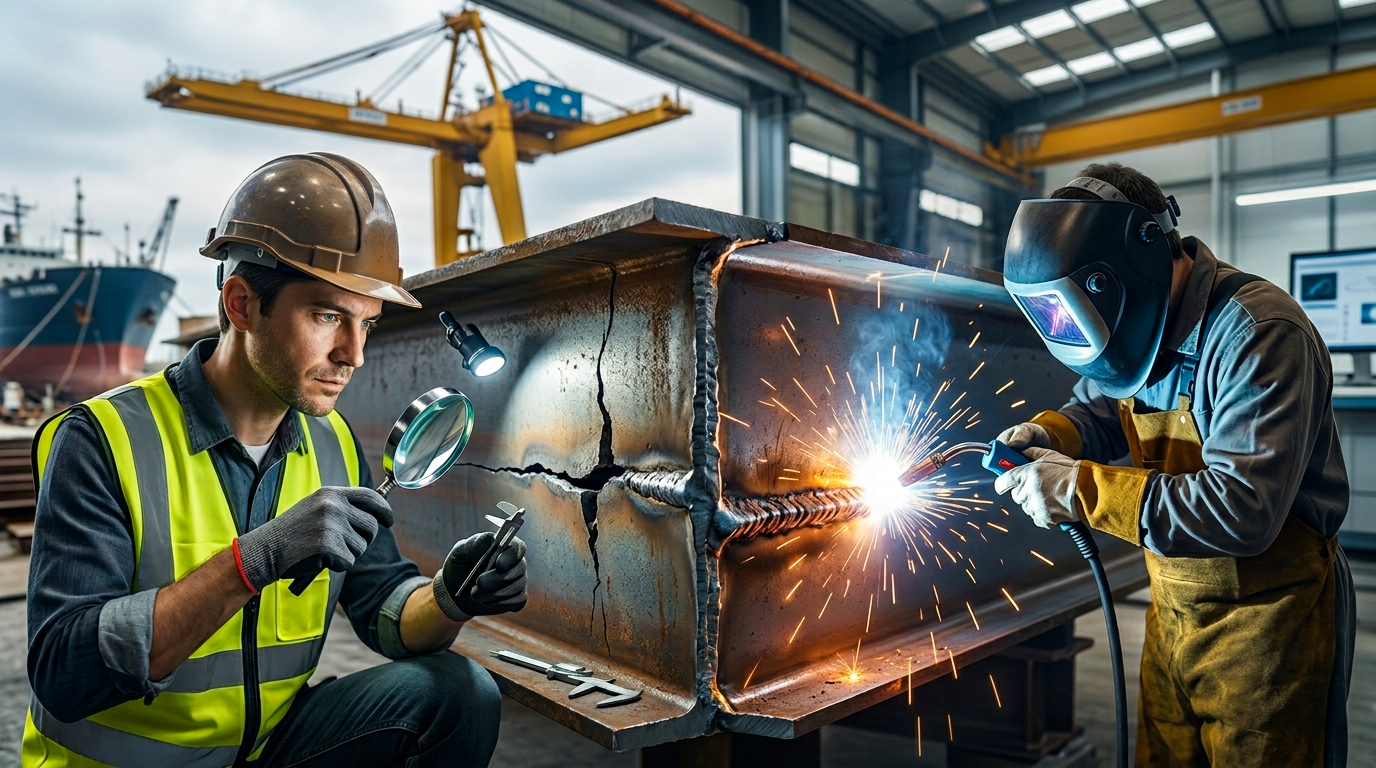
Behind some catastrophic structural failure lies a trail of forensic evidence frozen in fused metal. While welding can be the molecular backbone of modern construction, it can also be the primary site for latent defects and liability disputes. When molecular fusion turns into a mechanical nightmare, forensic engineering provides the definitive answers required for claims resolution and litigation. Understanding the anatomy of a weld failure isn't just about physics, it's about pinpointing accountability.
Common Improper Welding Defects
A forensic engineer often looks for specific fingerprints left behind by poor workmanship or incorrect technique. Understanding these defects is the first step in preventing future failures.
Slag Inclusions: In processes like Stick or Flux-Cored welding, non-metallic materials can get trapped inside the weld. These inclusions act as internal voids that can lead to cracking.
Porosity: This occurs when gas becomes trapped in the weld pool as it cools, creating small bubbles or pits. It’s often caused by dirty base metals or inadequate shielding gas, leaving the weld looking like Swiss cheese and significantly weakening it.
Undercut: An undercut is a groove melted into the base metal next to the weld toe that isn't filled by the weld metal. This creates a stress riser which is a thin point where cracks are likely to start.
Lack of Fusion: This is one of the most dangerous defects because it can be hidden beneath the surface. It happens when the weld metal doesn't properly fuse with the base metal or the previous weld bead, resulting in a joint that looks solid but has decreased structural strength.
The Role of Forensic Engineering
When a weld fails, a forensic engineer acts as a materials detective. The investigation goes beyond identifying a crack; it involves a multi-layered analysis to determine if the failure was a result of design error, material fatigue, or human negligence.
- Non-Destructive Testing: Engineers use advanced methods like Ultrasonic Testing or Radiographic Testing to see through the metal. These tools reveal hidden lack of fusion or internal slag inclusions that are invisible to the human eye but detrimental to structural integrity.
- Metallurgical Analysis: By examining the grain structure of the metal under a microscope, engineers can determine if the welding temperature was too high or if the cooling process was too rapid, factors that can make steel brittle and prone to sudden brittle fracture.
- Code Compliance Audit: A critical part of the role is comparing the failed weld against industry standards, such as those set by the American Welding Society. If the Welding Procedure Specification wasn't followed, the engineer provides the technical basis for liability.
Pinpointing Accountability
In the world of high stakes construction and manufacturing, a weld is only as strong as the science behind it. When fusion fails, the consequences are rarely just mechanical, they are financial and legal.
Forensic engineering provides the objective clarity needed to navigate these complex disputes. By peeling back the layers of a failed joint, we don't just find the defect; we find the truth. Whether it’s a localized undercut or a lack of fusion, understanding the why behind the failure is the only way to ensure it doesn't happen again.